Written by Anahera Nin
Tēnā koutou e te iwi,
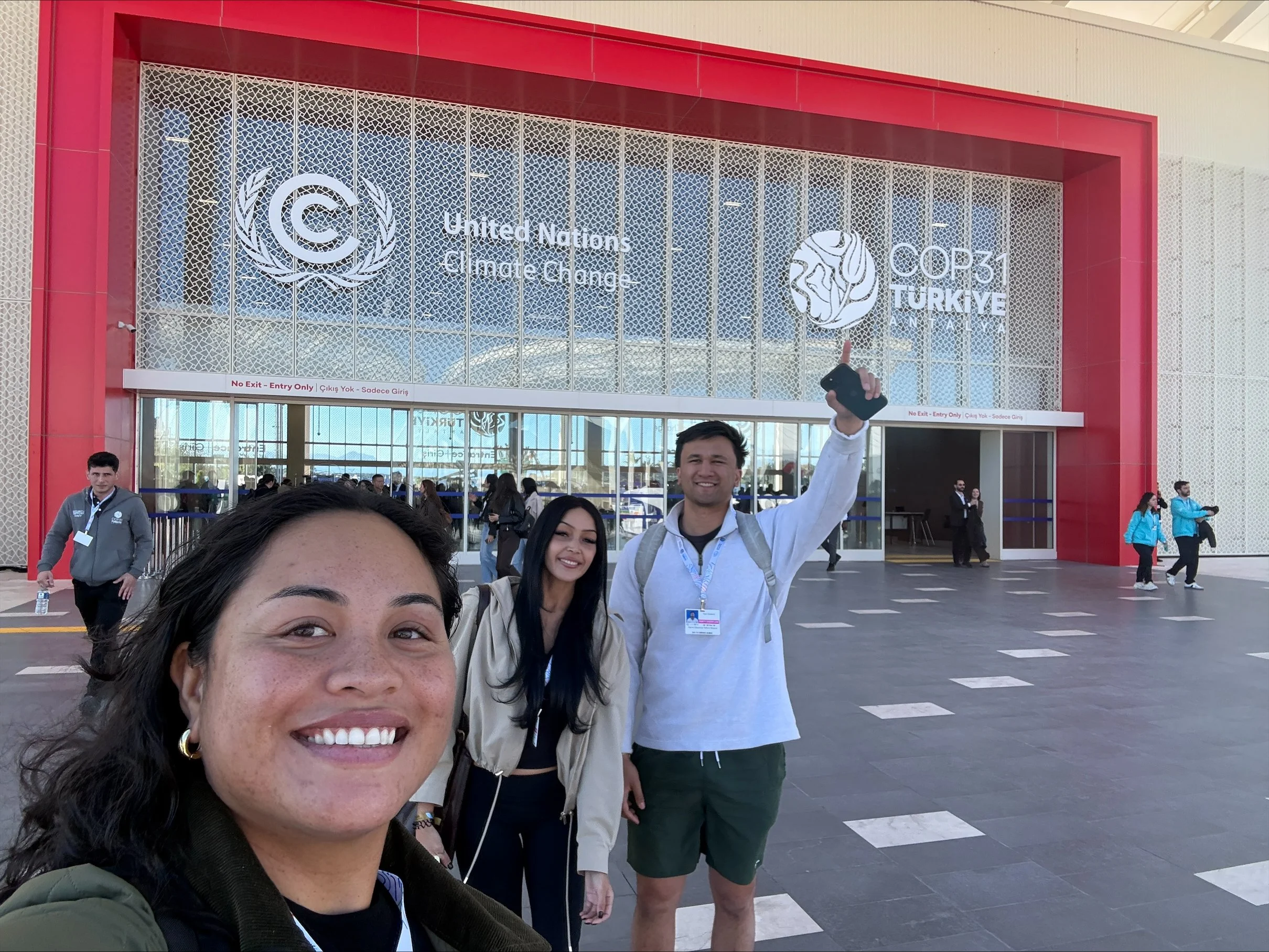
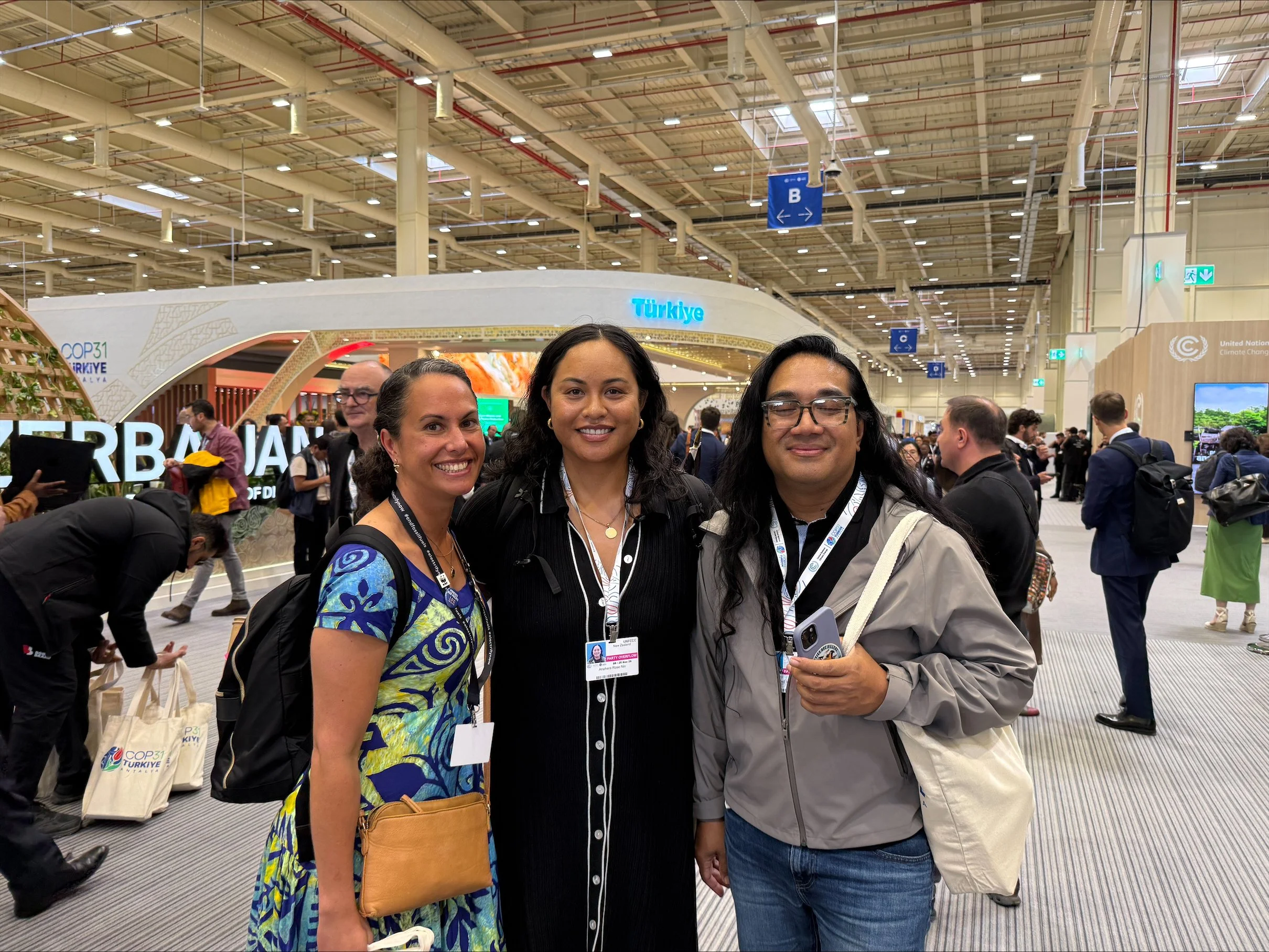
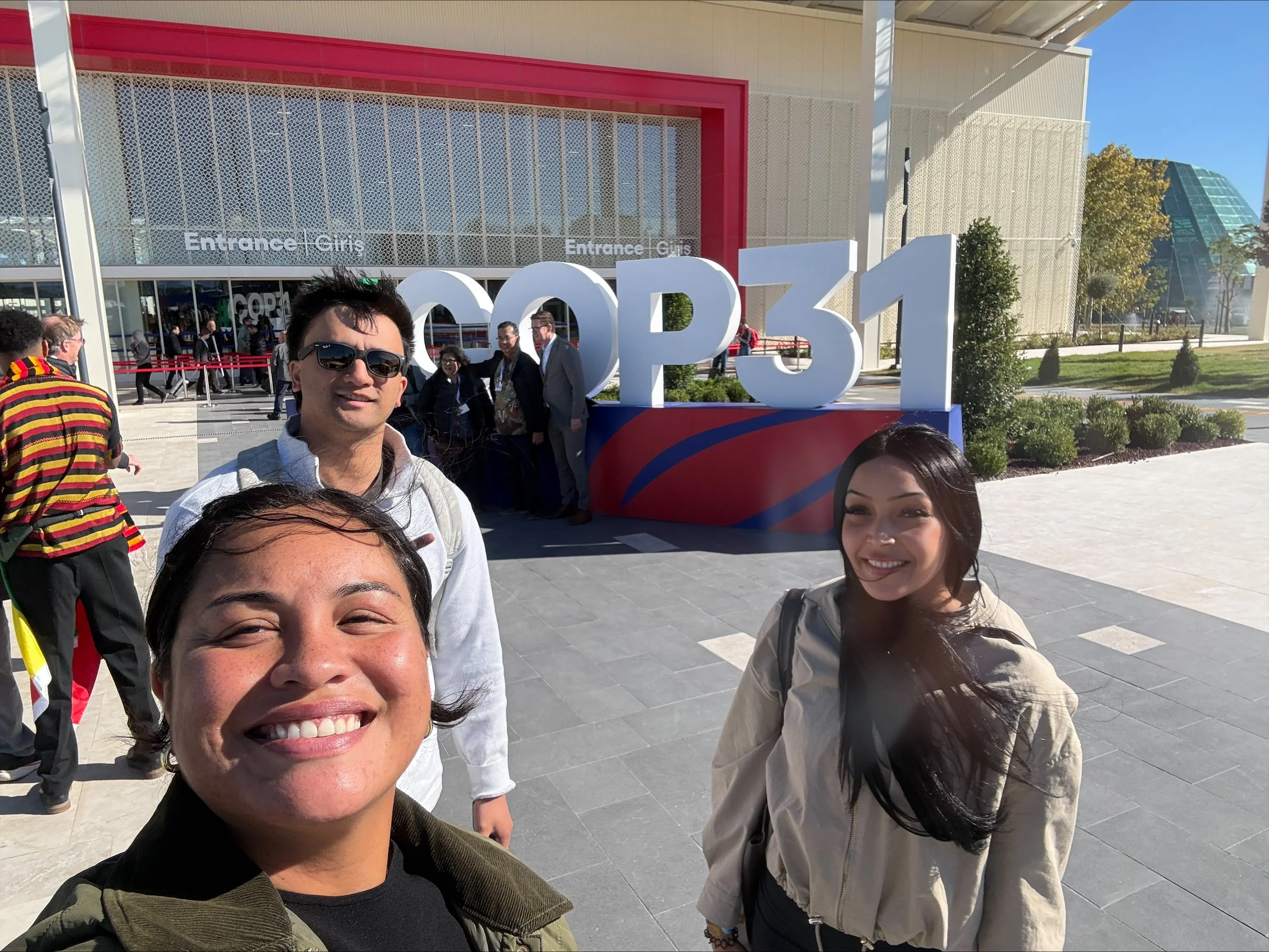
I'm writing to you from Antalya, Türkiye, four days into COP31, the United Nations’ yearly climate conference. Ngā mihi nui to Te Rūnanga o Toa Rangatira for endorsing me to represent our iwi here.
This is the first of two articles. This one explains what COP (Conference of the Parties) actually is, what has happened so far, and why it matters for us back home. The second will come once I’m home and have had time to reflect on what it all means for our iwi.
Ko wai au?
For those I haven't met yet, ko Anahera Nin tēnei. Nō te whānau Tatana ahau. I whakapapa to Ngāti Toa Rangatira and Tauranga Moana.
I started out at the Rūnanga in the taiao space. Since then, I've led the Māori Climate Action team at the Ministry for the Environment, and I now work with marae, hapū and iwi across the motu to understand their climate risks and plan for them.
For our iwi, I led the Ngāti Toa Rangatira Climate Change Strategy, our rangatahi climate wānanga and the Porirua citizens' assembly.
I’m here as uri first, but I also wear three other pōtae at this kaupapa:
Technician for Pou Take Āhuarangi, the climate pou of the National Iwi Chairs Forum
Convenor of the Māori Adaptation Network Aotearoa (MANA), a new network of tangata whenua adaptation practitioners
Aotearoa delegate for Oceania First Voices, a group of Indigenous climate leaders from across the Pacific, supported by WWF, who funded me to be here
What is COP?
COP is where nearly 200 countries meet once a year to decide what the world does about climate change. This is the 31st, so COP31. The goal is to hold global warming to 1.5°C.
Two things happen at once. Inside, government officials negotiate agreements line by line. Every country has to agree, so it is very slow. Outside, thousands of people run panels, hui and launches to share what works and push the negotiators for real outcomes.
Iwi and Indigenous Peoples do not get a vote – only countries do. So we influence it the way we always have: turn up, speak up, build relationships.
This year, Türkiye hosts the kaupapa, but Australia leads the negotiations, with a lead-up hui that was held in Fiji. That gives Te Moananui-a-Kiwa a bigger platform than usual.
Te Wiki Tuatahi – Week 1
It has been full-on, with days starting as early as 7am and finishing after midnight. Here are a few of the highlights so far:
Ngāti Toa Rangatira ki te Ao! Stu Calman, who is Ngāti Toa Rangatira, is New Zealand's Climate Change Ambassador and has led the New Zealand Government daily briefings for people from home. I also met Leila Whirinaki, another of ours, dancing with Matavai Pacific Cultural Arts from Sydney.
Our mahi on the global stage. I shared the Te Ara o Raukawa Moana report on our coastal impacts and the vision from our ART Rangatahi Wānanga. I also ran a panel with three other rangatahi on Māori-led solutions already happening at home, including the solar and battery installations I supported for Wairau Pā Marae and Whakatū Marae.
Indigenous wāhine are getting it done. I facilitated "Built by us, for us", with six Indigenous women from across the world who are delivering clean energy in their own communities. Wāhine toa, every one of them.
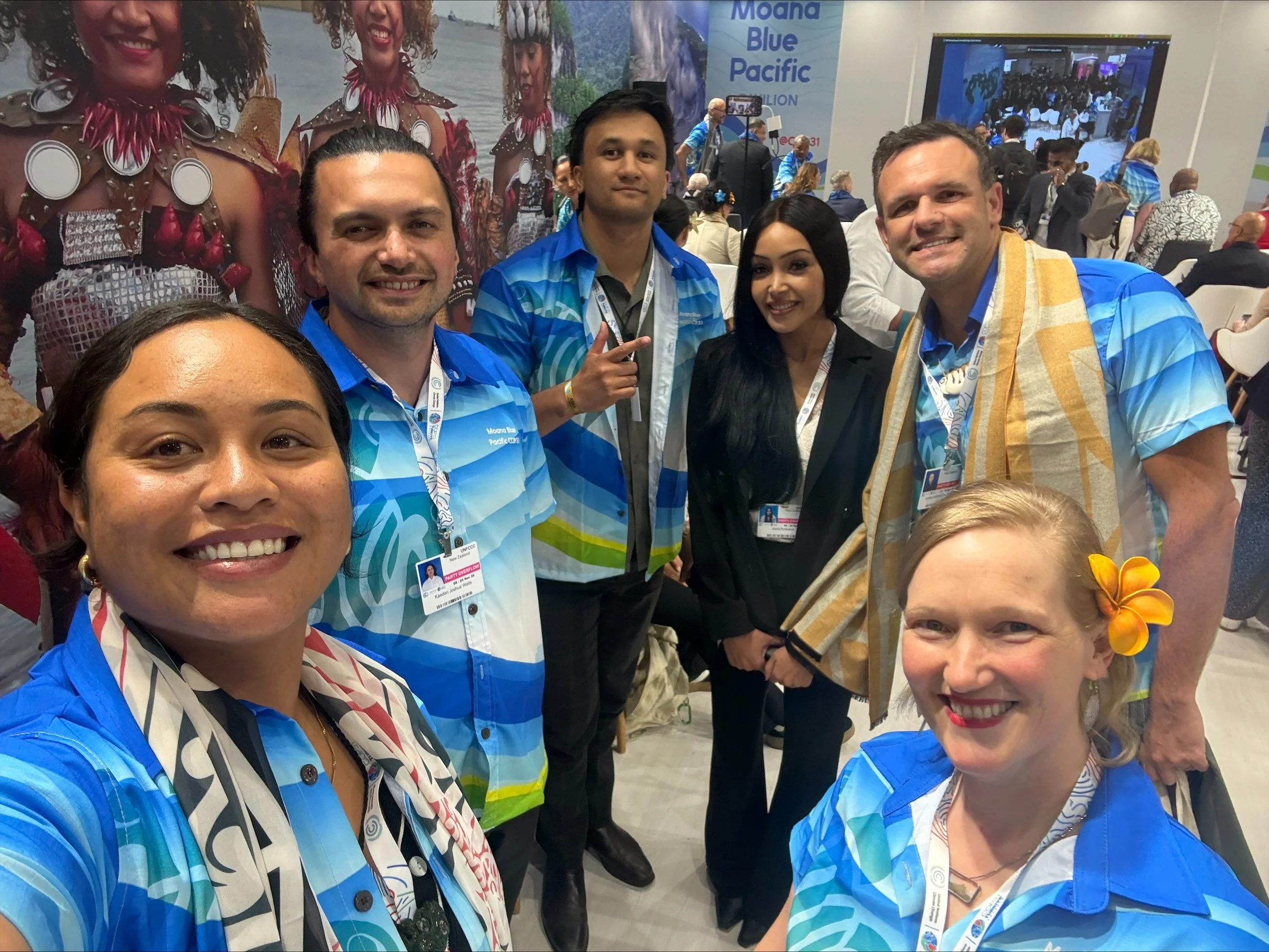
The Pacific are here. People from home supported the opening of the Moana Blue Pacific pavilion with mihimihi and waiata. As MANA Convenor, I spoke on a panel about getting climate funding and adaptation support to Indigenous communities across the Pacific.
Rights, not just knowledge. At the UN's Indigenous platform, the big issue was Indigenous Peoples being lumped in with "local communities". We are not the same. We hold distinct rights. The New Zealand Government's statement spoke about traditional knowledge but said nothing about those rights, and I found it weak.
Why does this matter for Ngāti Toa Rangatira?
This is always something that drives me when in these spaces: what here can help our people back home?
In terms of negotiations, there are four key kaupapa that matter most to our iwi:
Adaptation – Countries are deciding how to measure and fund living with climate impacts. We are a coastal iwi. This shapes what support exists for communities like ours.
Climate finance – The money on the table is aimed at developing countries, not Aotearoa. Our push is for funding that goes straight to Indigenous Peoples, including here, where our marae and hapori face the same impacts but cannot access it directly.
Just transition – A new global mechanism for a fair shift to clean energy. For us it comes down to one question. Do we own the clean energy on our whenua, or does it just get built around us?
Indigenous rights – Whether we are recognised in the UN climate system as tangata whenua in our own right.
If we are not in the room telling our own story, someone else tells it for us, or it does not get told at all.
And we have a story. Our tūpuna left Kāwhia for new whenua, a new kāinga, a future for all of us. He iwi whakawhiti tātou, he iwi urutau. Adapting is in our whakapapa.
What's next
There is more than a week to go, and the negotiations get harder from here. I'll keep putting our mahi in front of the people who need to see it.
He pātai āu? If there is something you want carried into these rooms, or something you want to ask, feel free to get in touch with me at anahera@4directionsfund.com.
Nā ō tātou tūpuna te heke, nā tātou te haere tonu.