Igniting Curiosity: Awatoa and the Royal Society Te Apārangi Powering Potential in Porirua
Awatoa is the pulse of a creative movement that is only three years old – it is an ecosystem born of whenua, whakapapa, and wonder. Driven by the belief that creativity moves us like an awa – sometimes fast, sometimes slow, but always flowing – Awatoa provides a space where curious minds can adventure, question, and flourish. Last week, that vision came to life as the Rūnanga initiative partnered with the Royal Society Te Apārangi to deliver the Powering Potential programme.
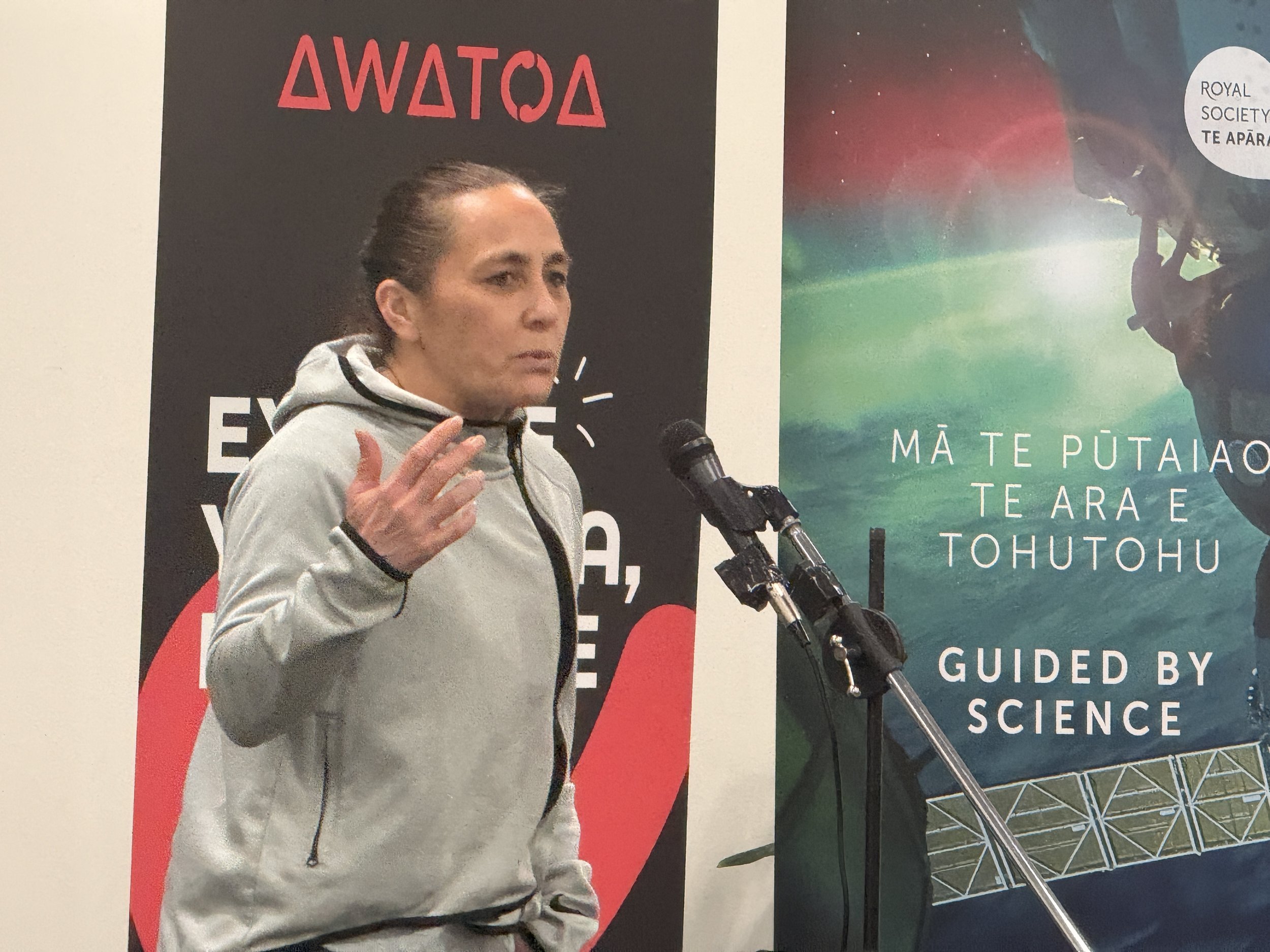
The 11–13 years age group occupies a unique space in education. Past the basic scaffolding of primary school but not yet in high school, intermediate rangatahi are often stuck in the middle. For Maria Dunlop, Innovation Lead at Te Rūnanga o Toa Rangatira, this age group represents an untapped well of potential.
"From the work we've been doing at Awatoa, we've learned something from this age group – they have lots of energy, and they're very curious," says Maria.
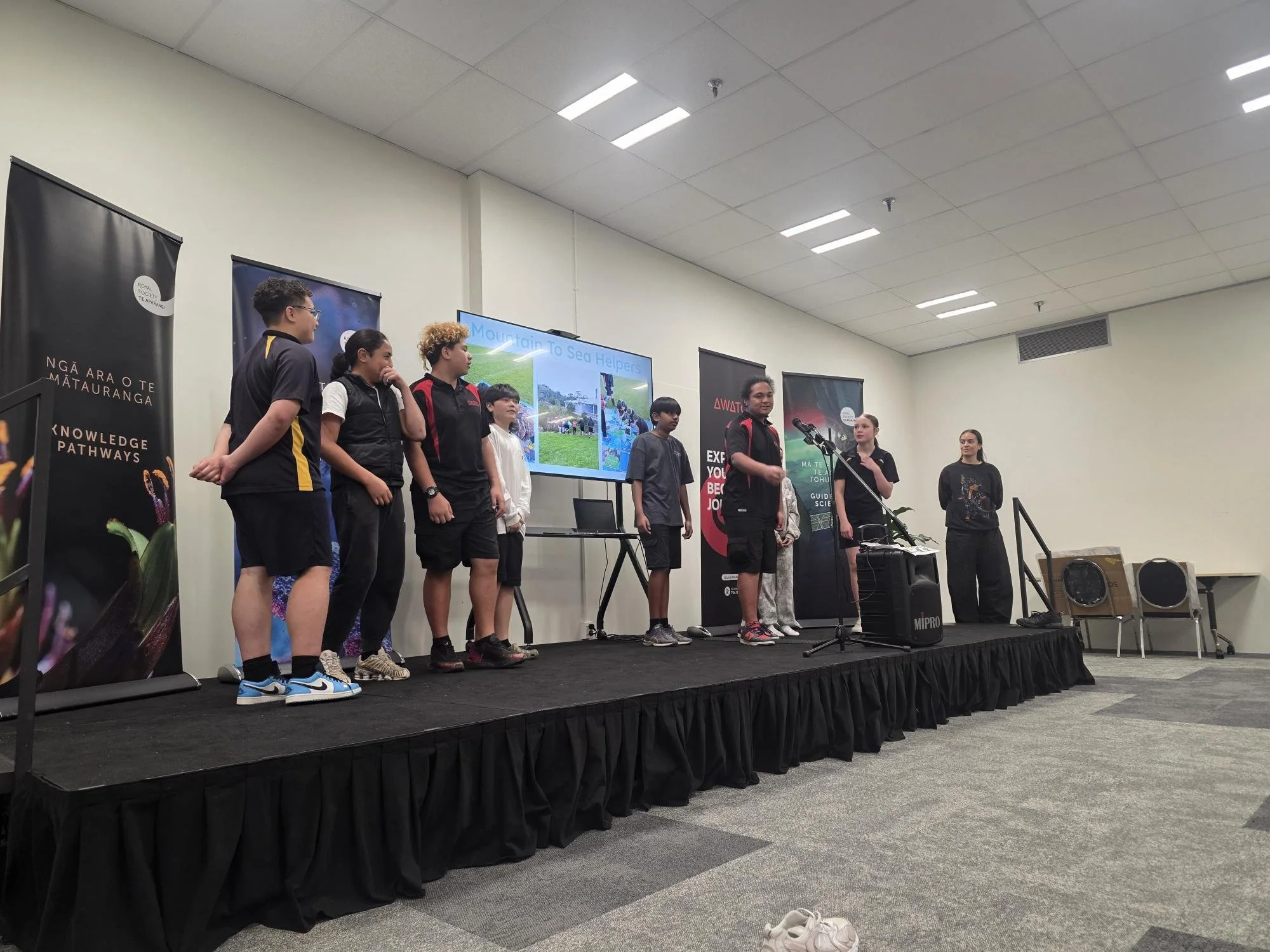
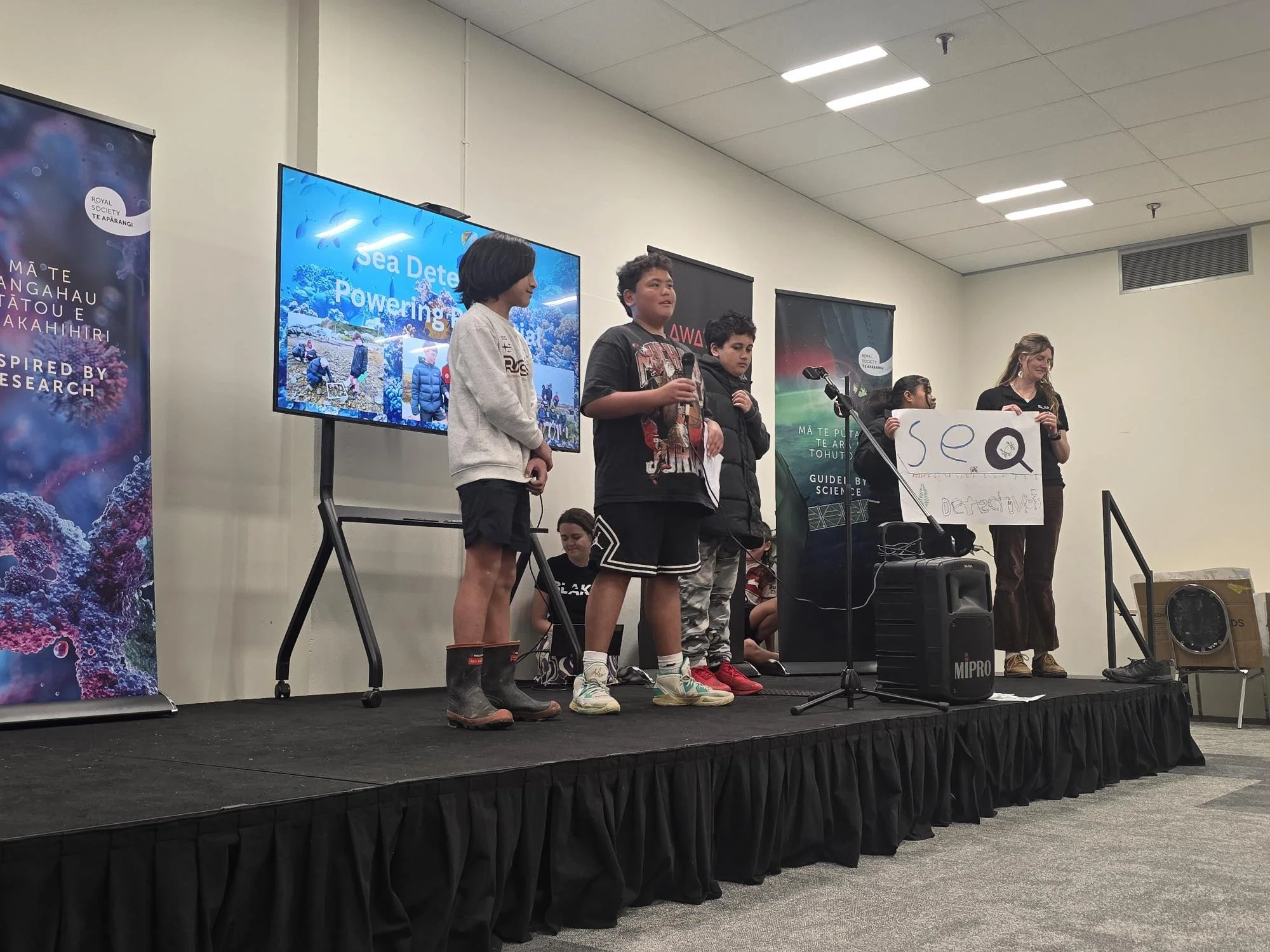
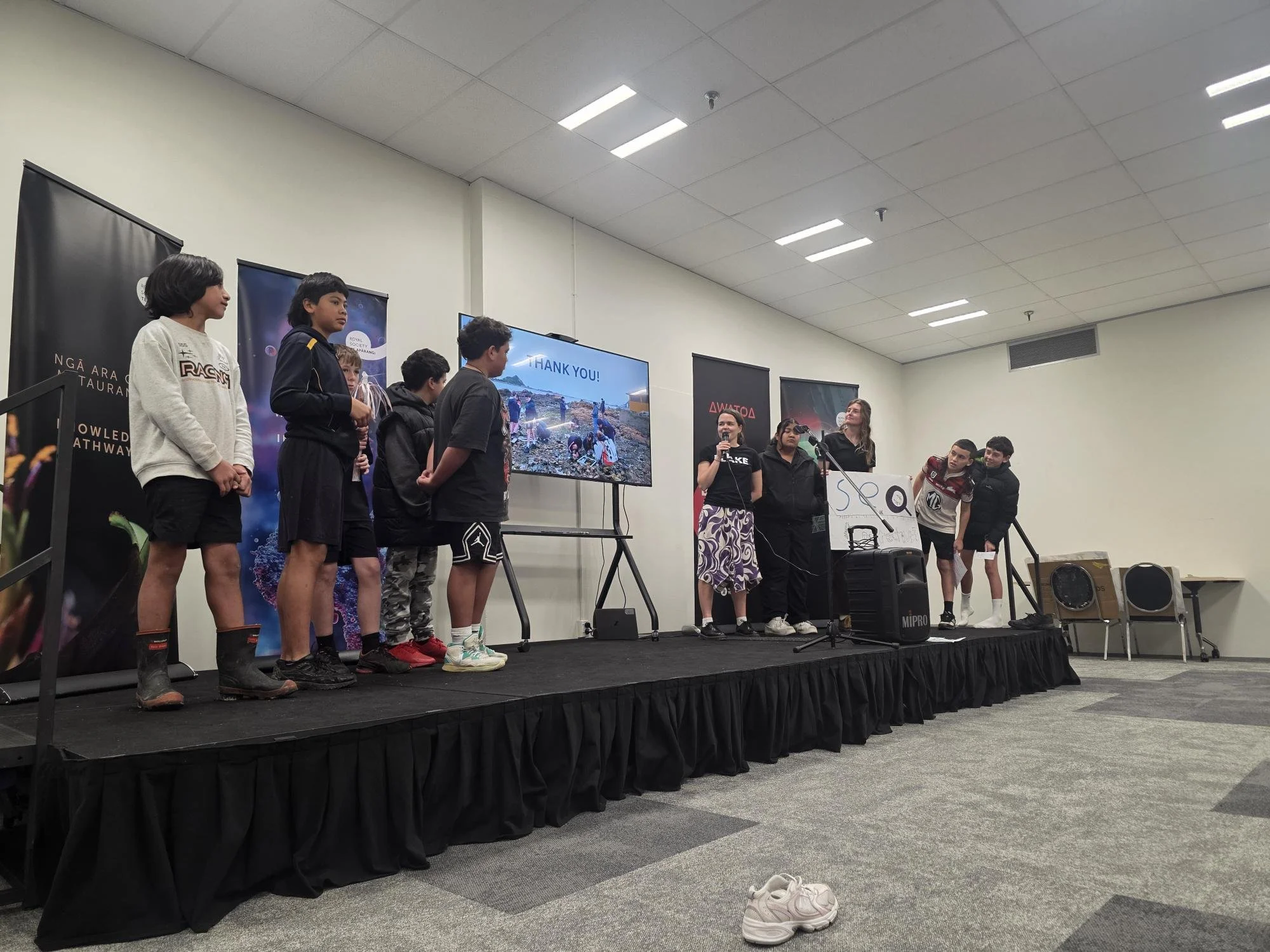
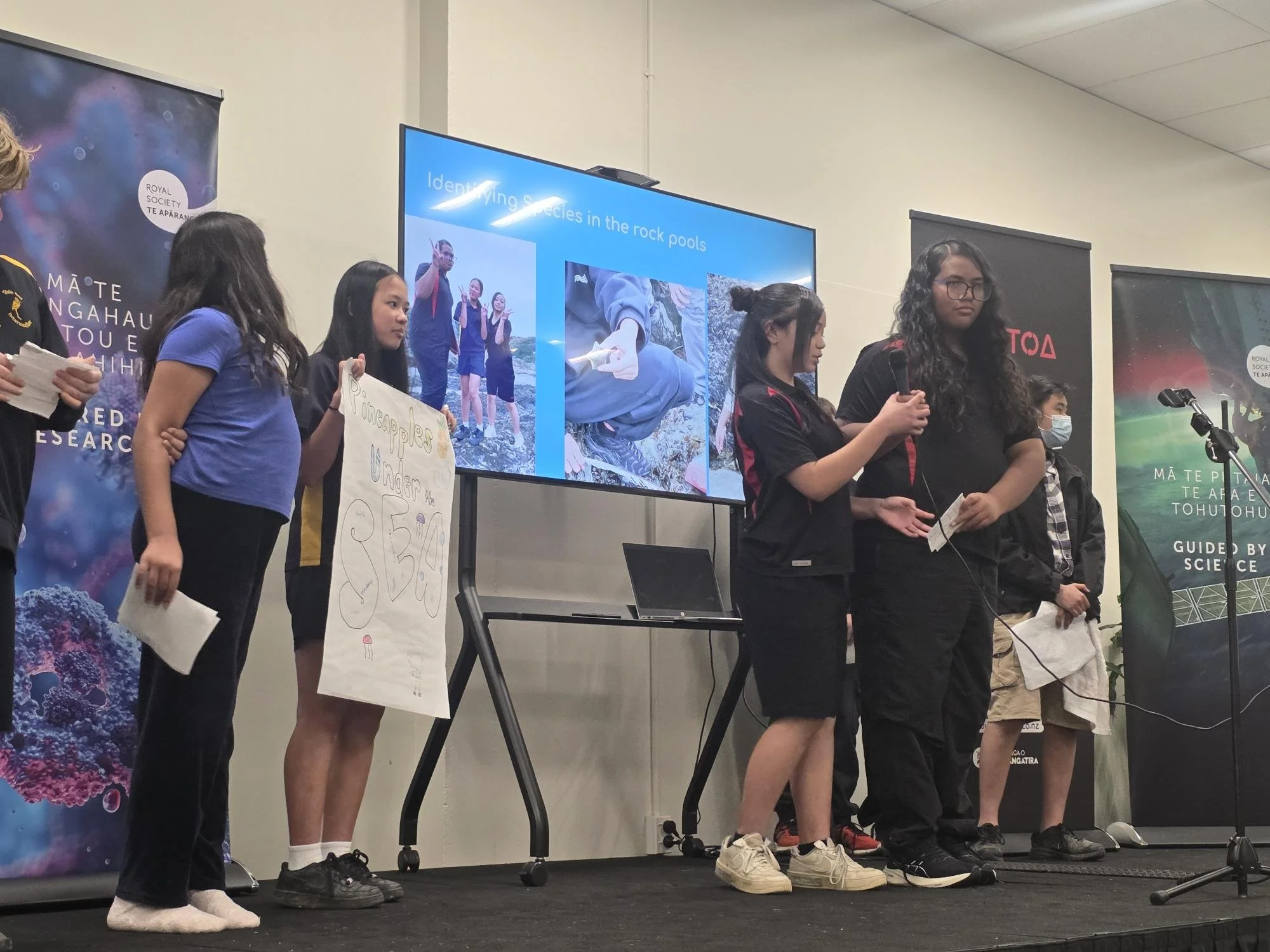
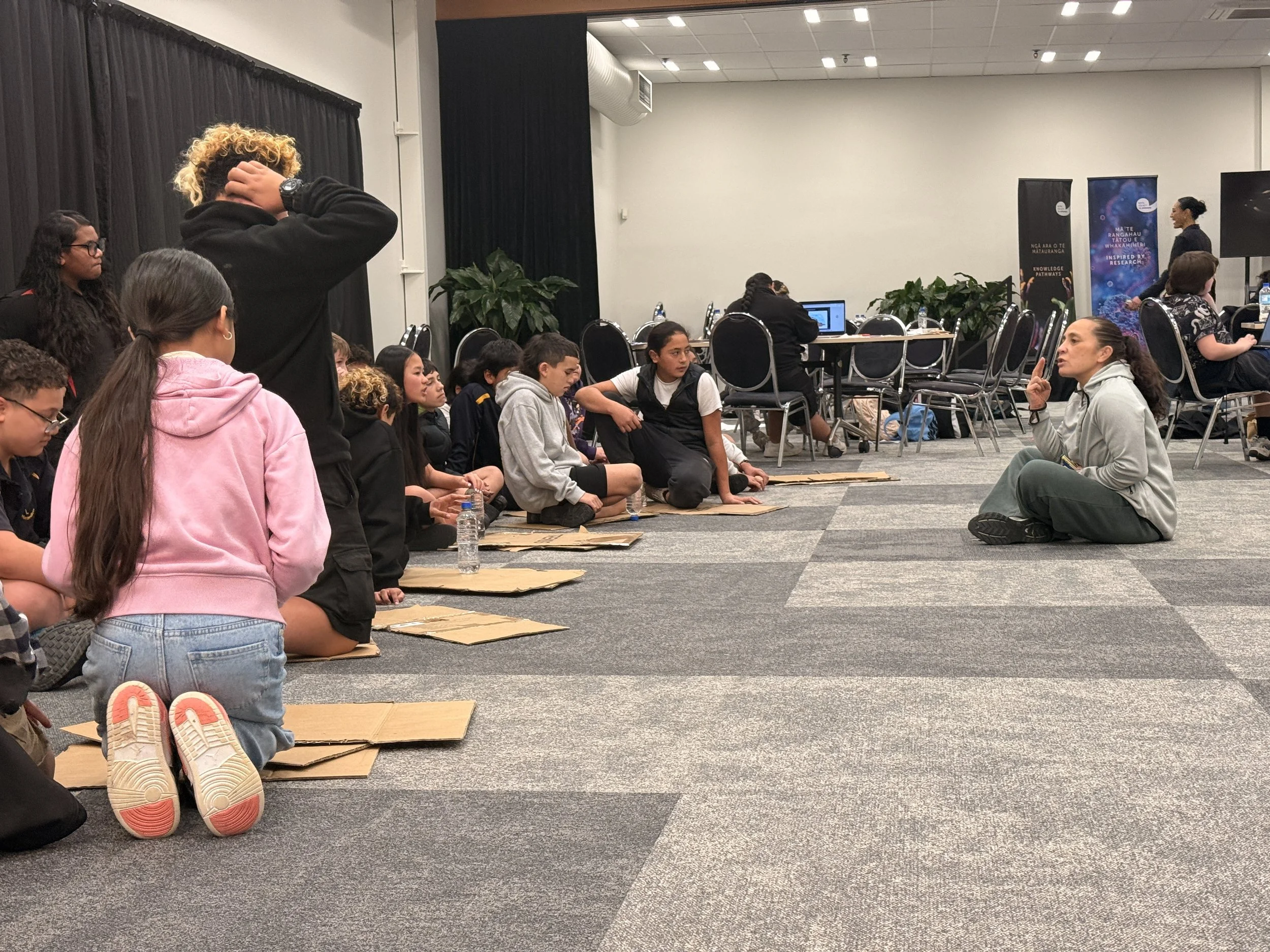
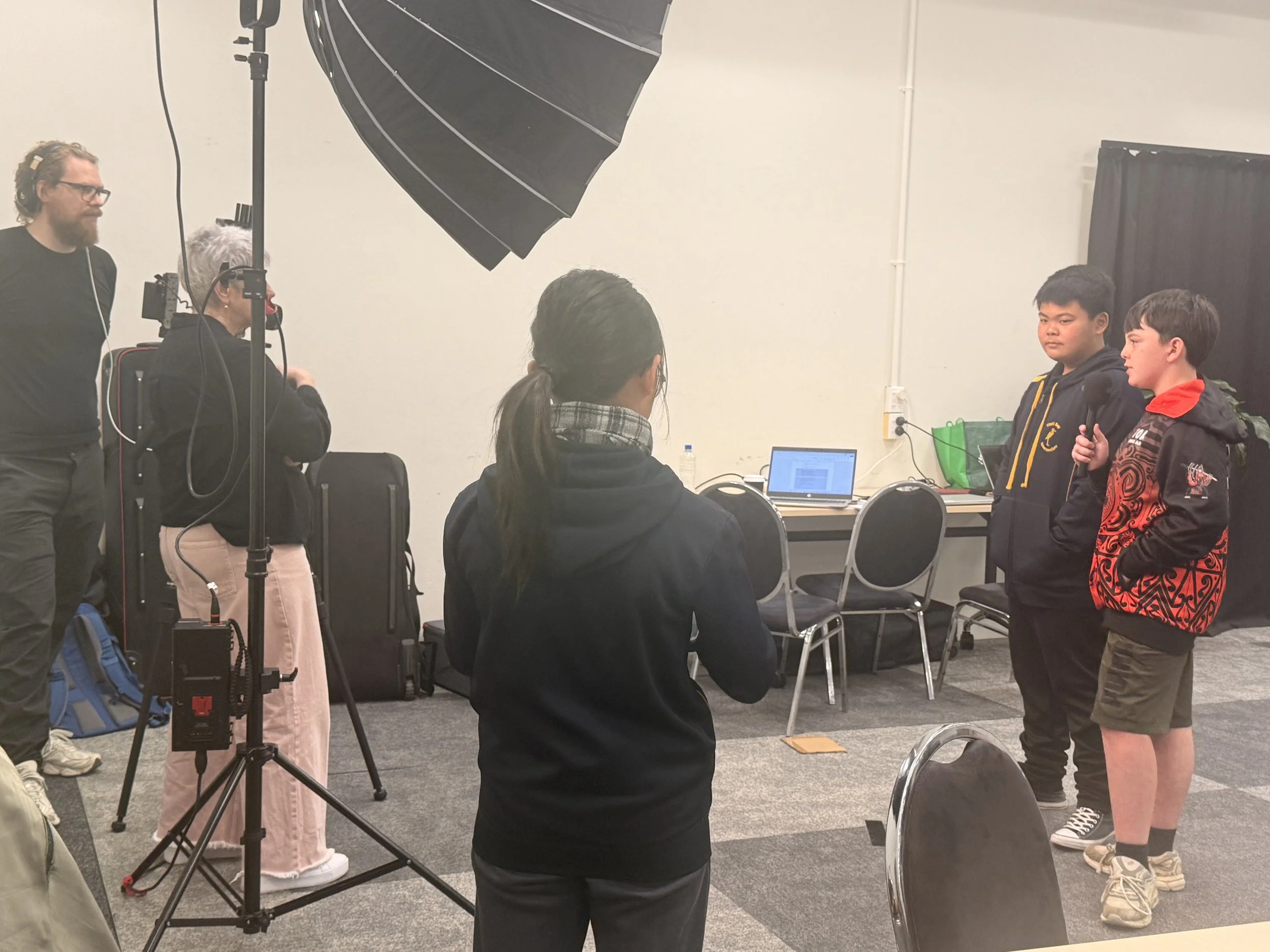
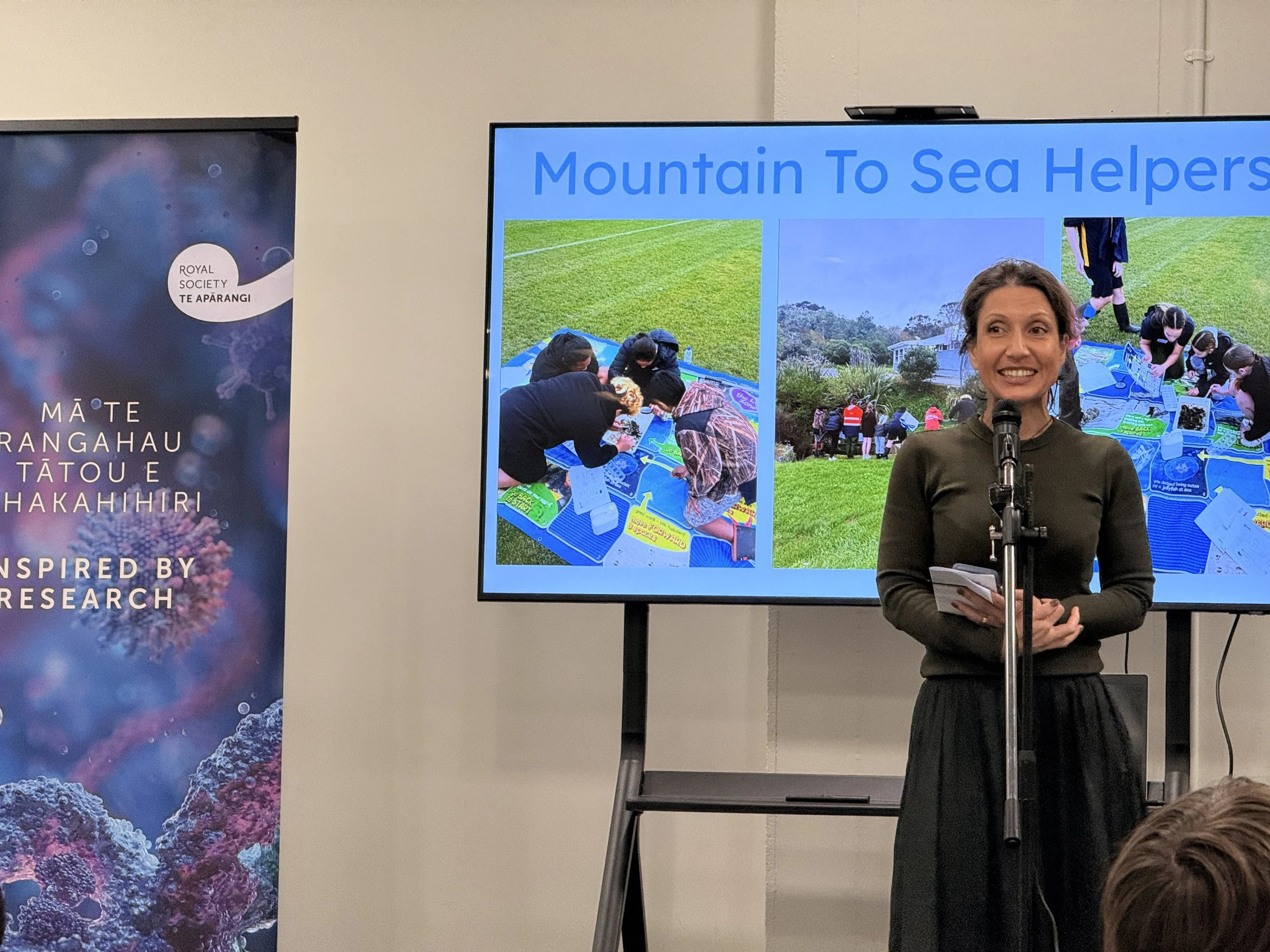
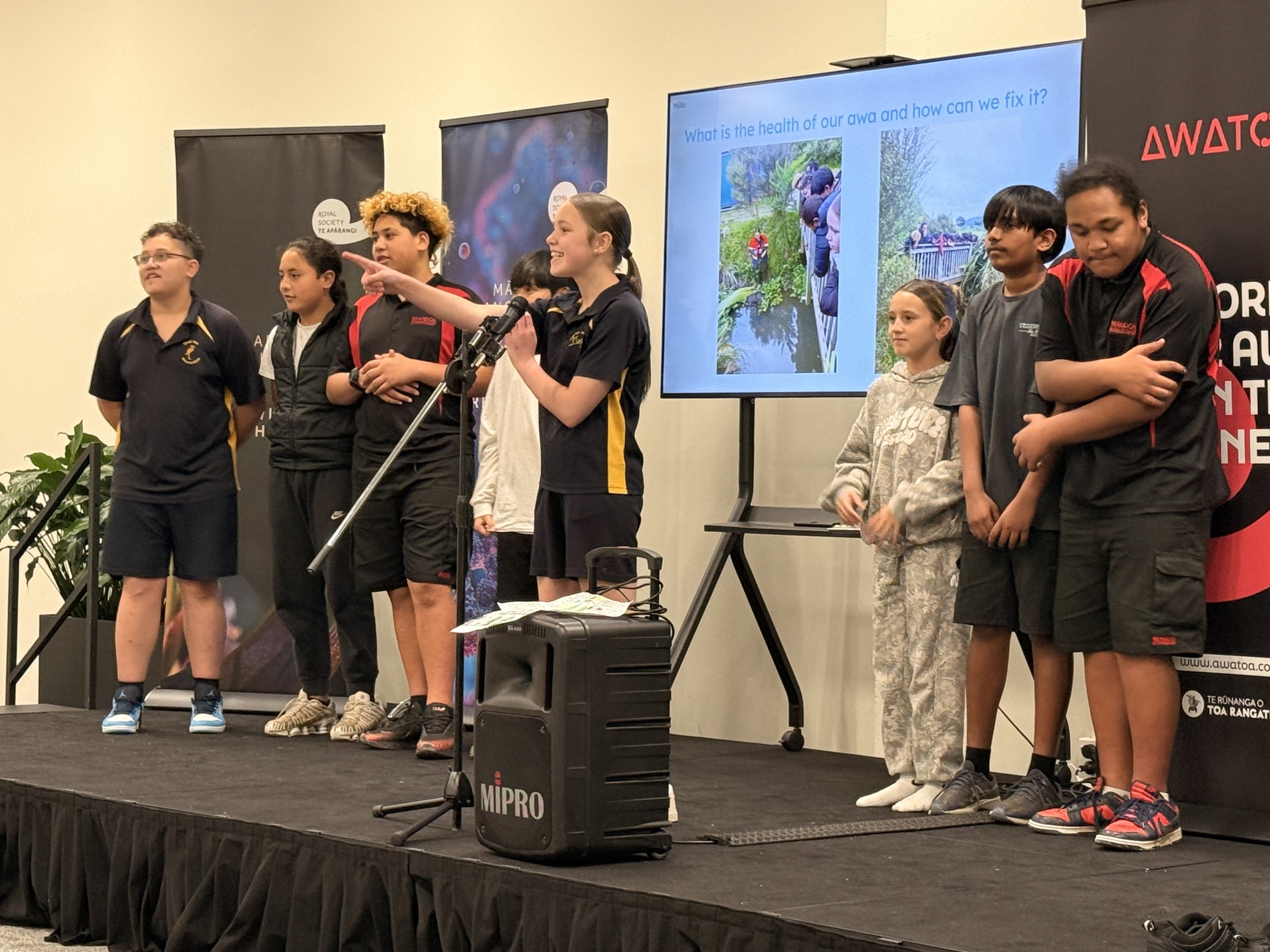
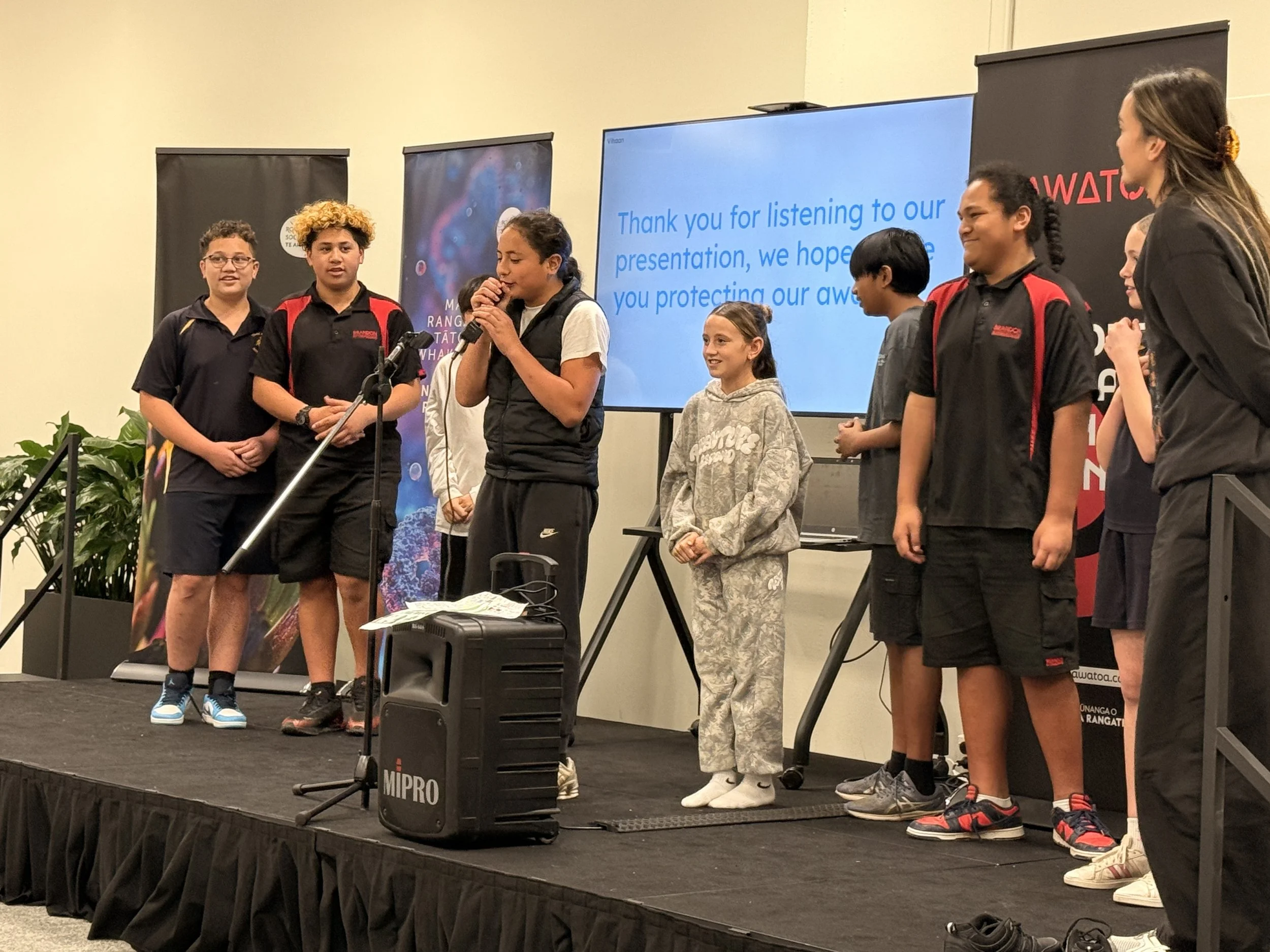
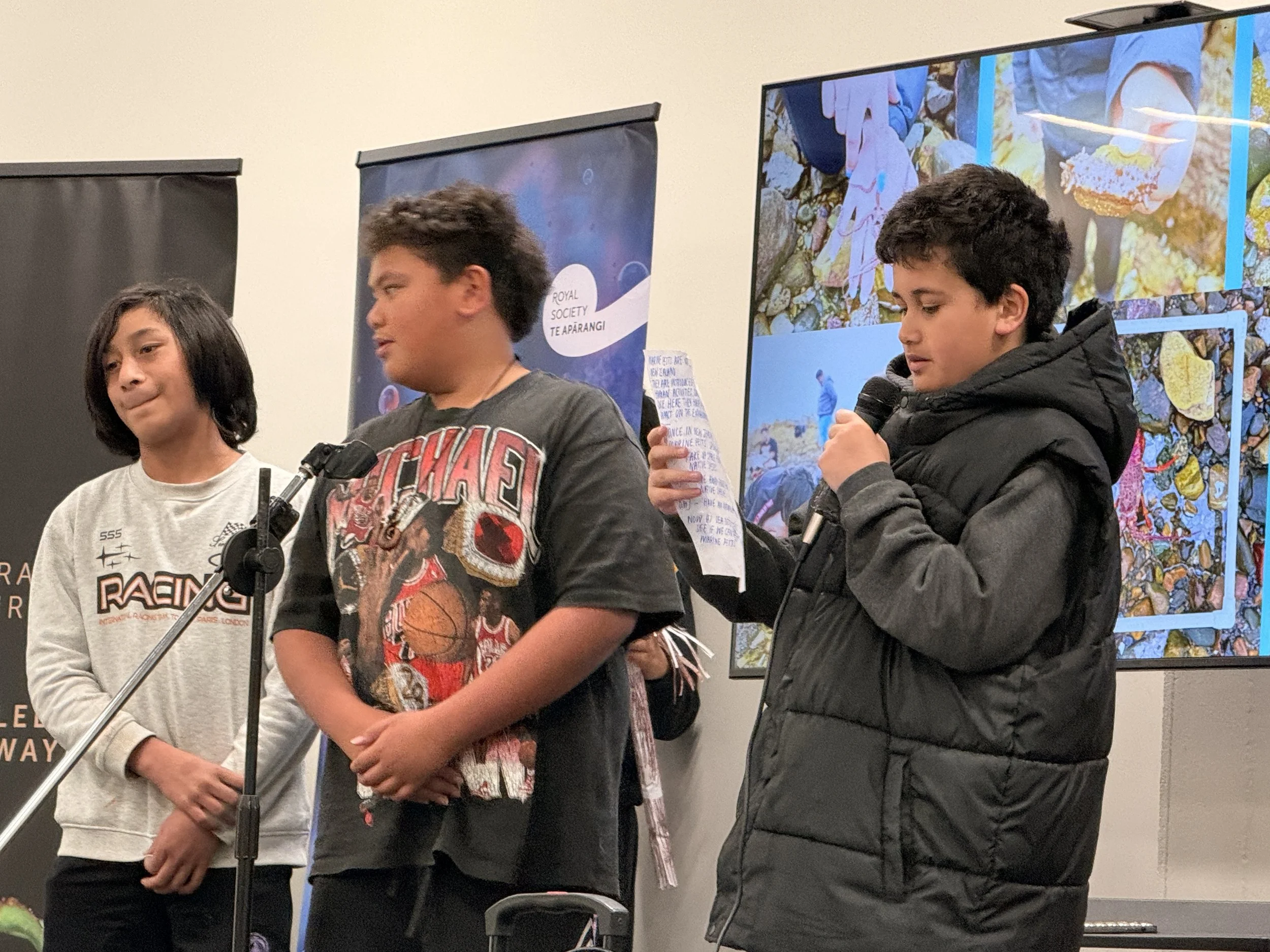
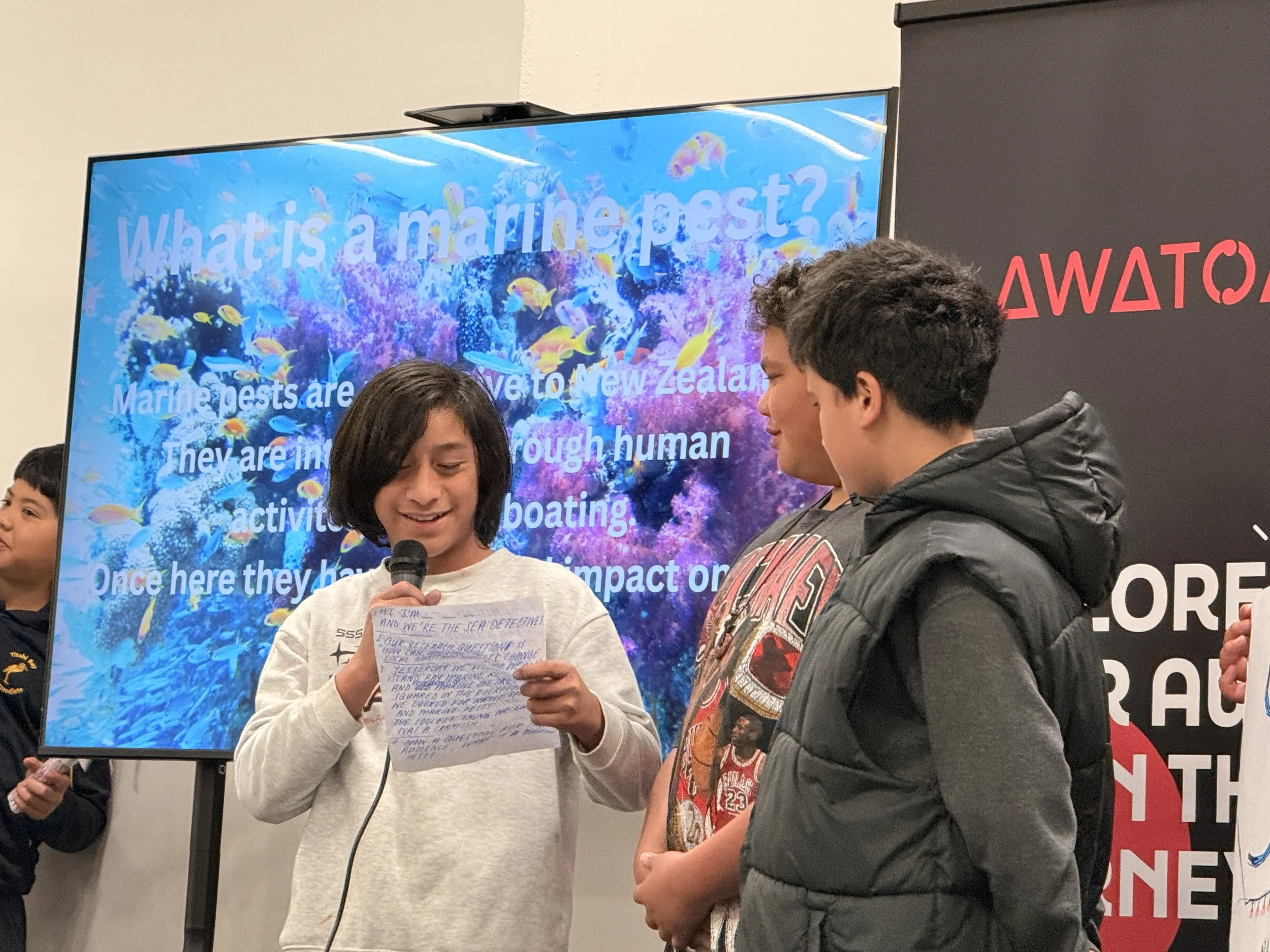
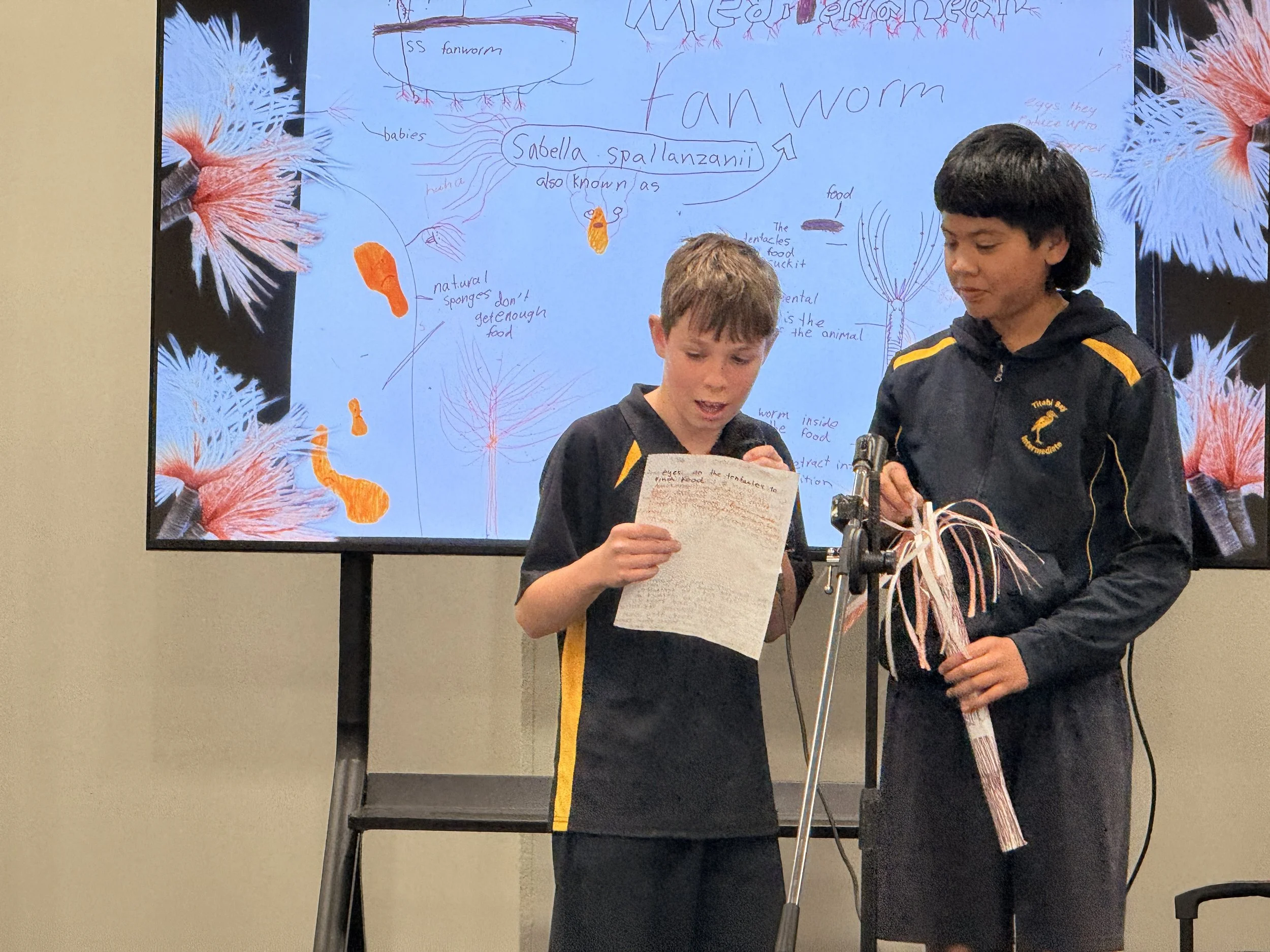
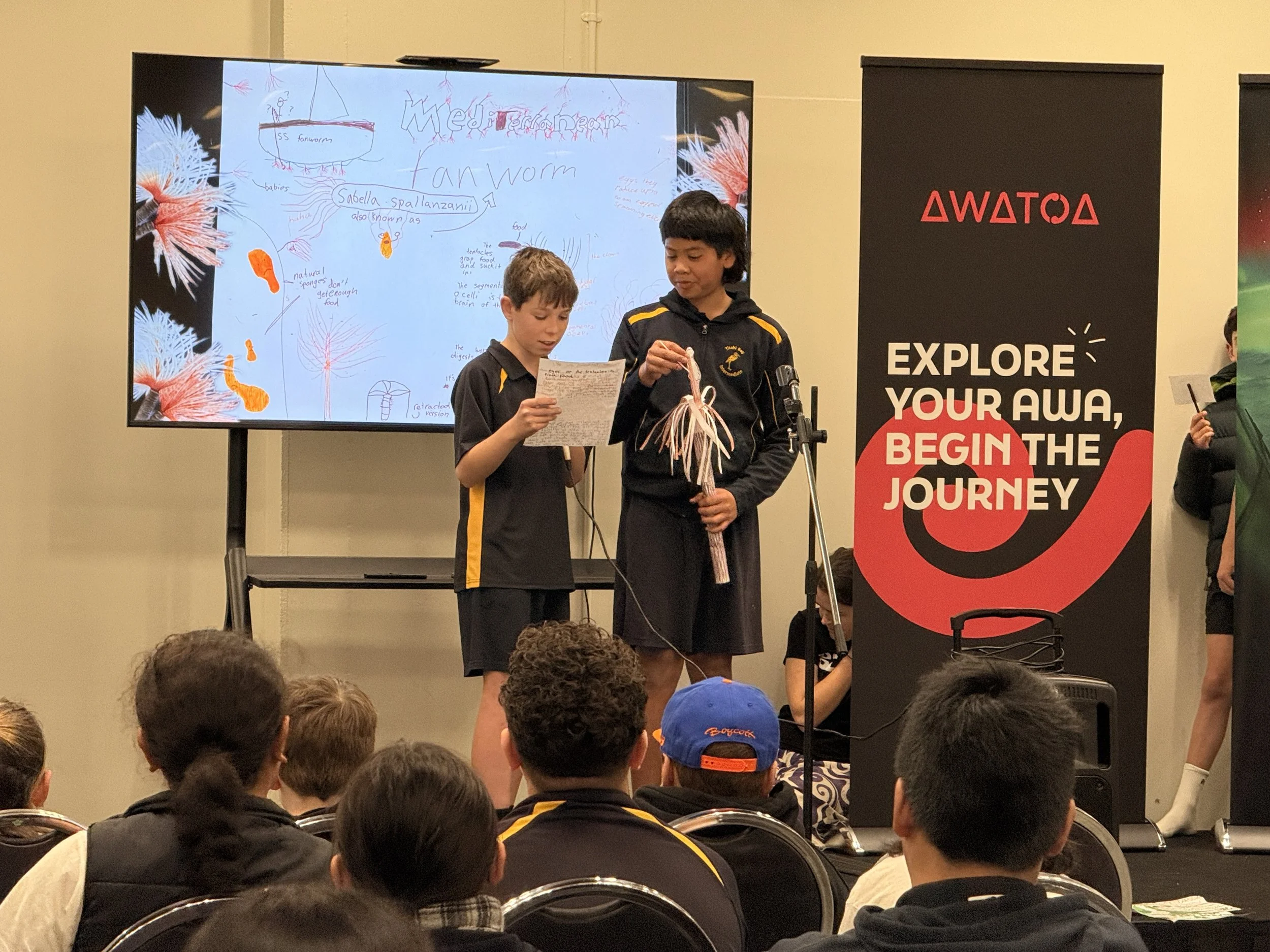
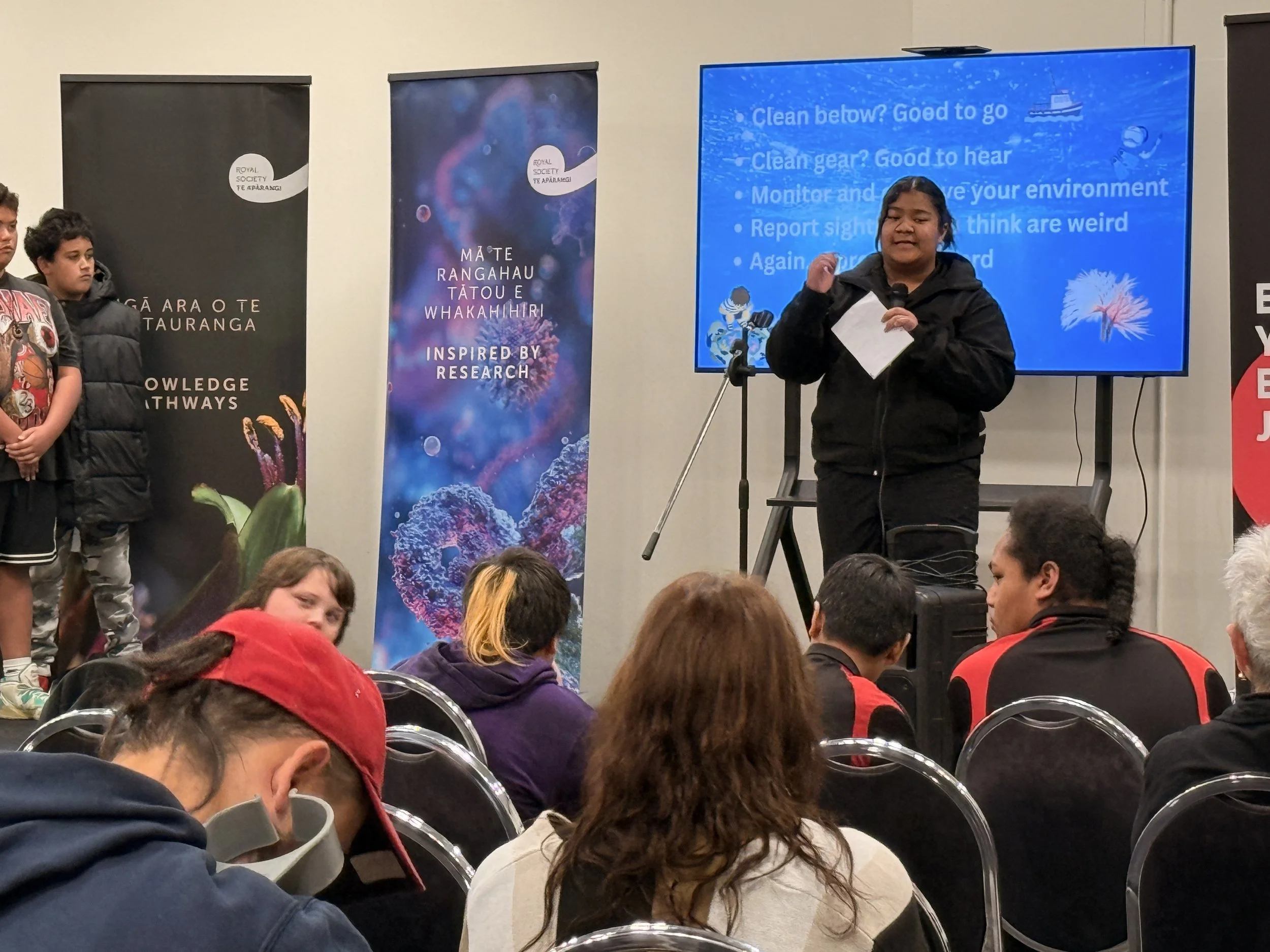
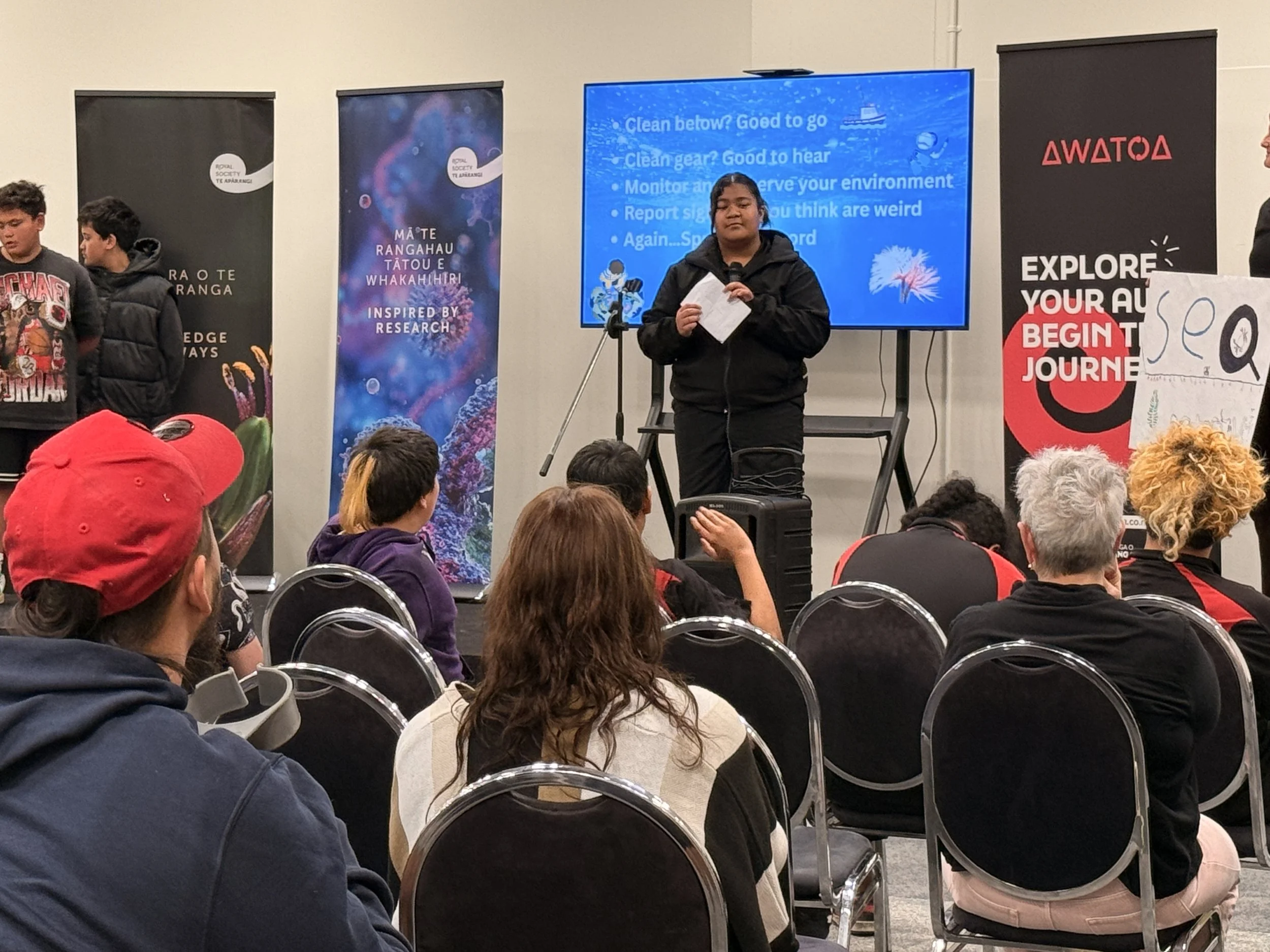
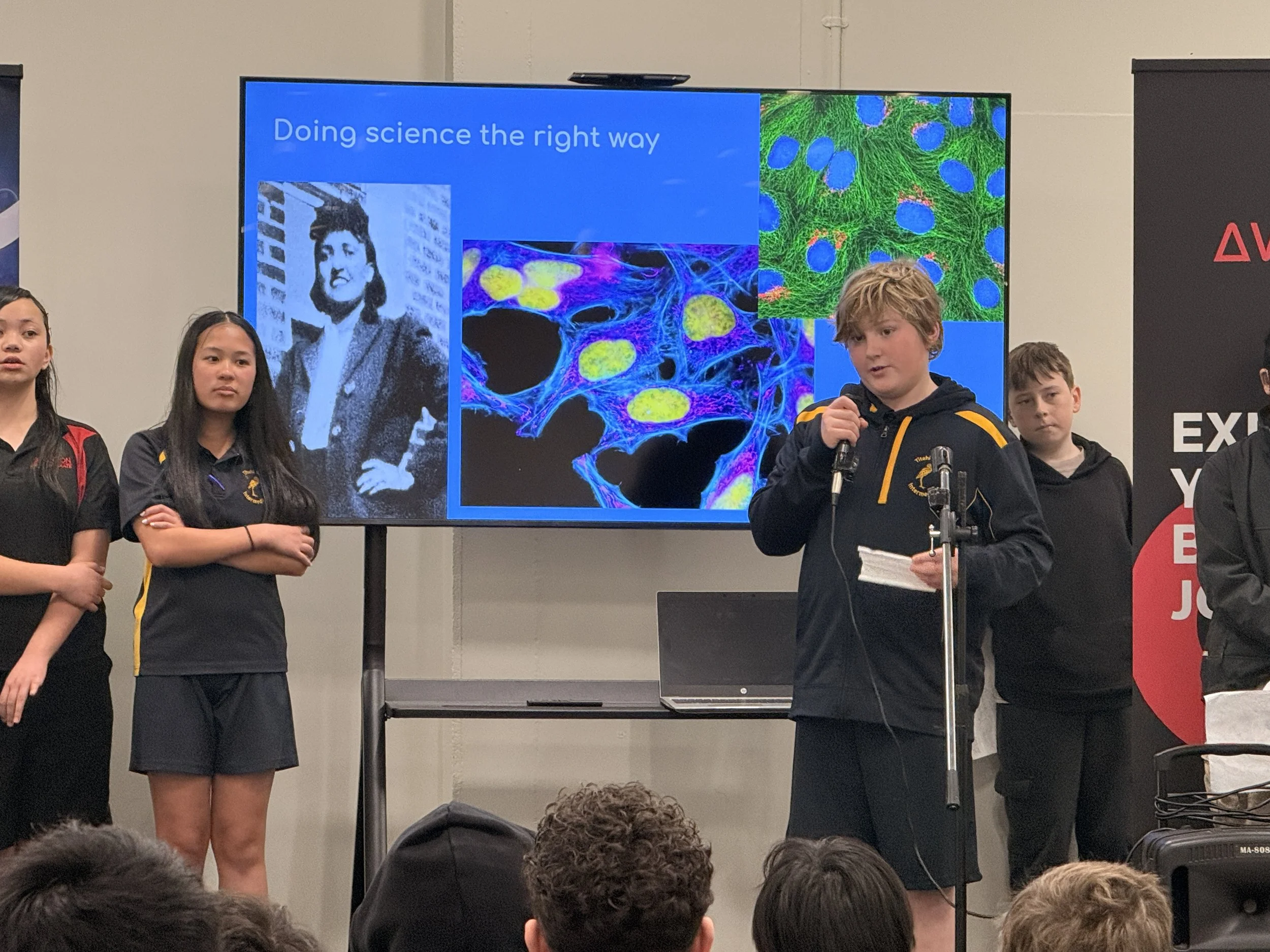
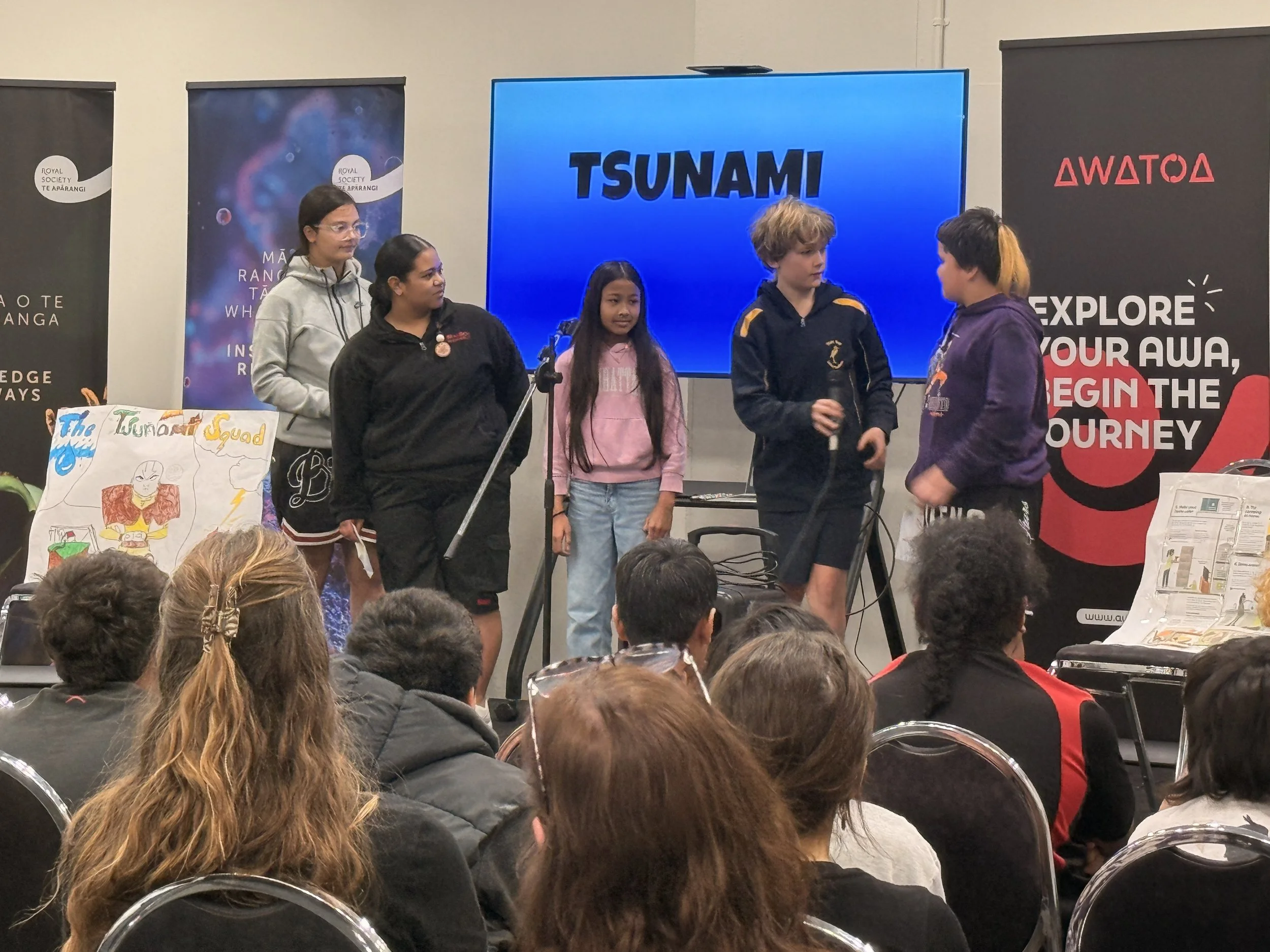
Crucially, students at this stage are not yet constrained by rigid ideas of what science is or should be. When the Society looked to pivot Powering Potential toward younger rangatahi, Moana jumped at the chance to bring the programme to Porirua. High school programmes often struggle under strict curriculum demands, whereas upper primary and intermediate stages offer flexible spaces where teachers and students alike are hungry for immersive hands-on experiences.
Education and Engagement Advisor at the Society, Eunique Kitiseni, was excited to be delivering the kaupapa in Porirua as it carries a personal resonance. Having grown up in the community and been inspired by the mahi of Te Rūnanga o Toa Rangatira to restore the taiao and deliver education initiatives to support curious and innovative young leaders, bringing this level of access to Porirua is central to the mission.
"It's so meaningful to bring this kaupapa right into our own backyard," says Eunique. "Our goal is to inspire our young people to see that the challenges we face can be solved by them, while expanding their understanding of what a scientist actually does every day."
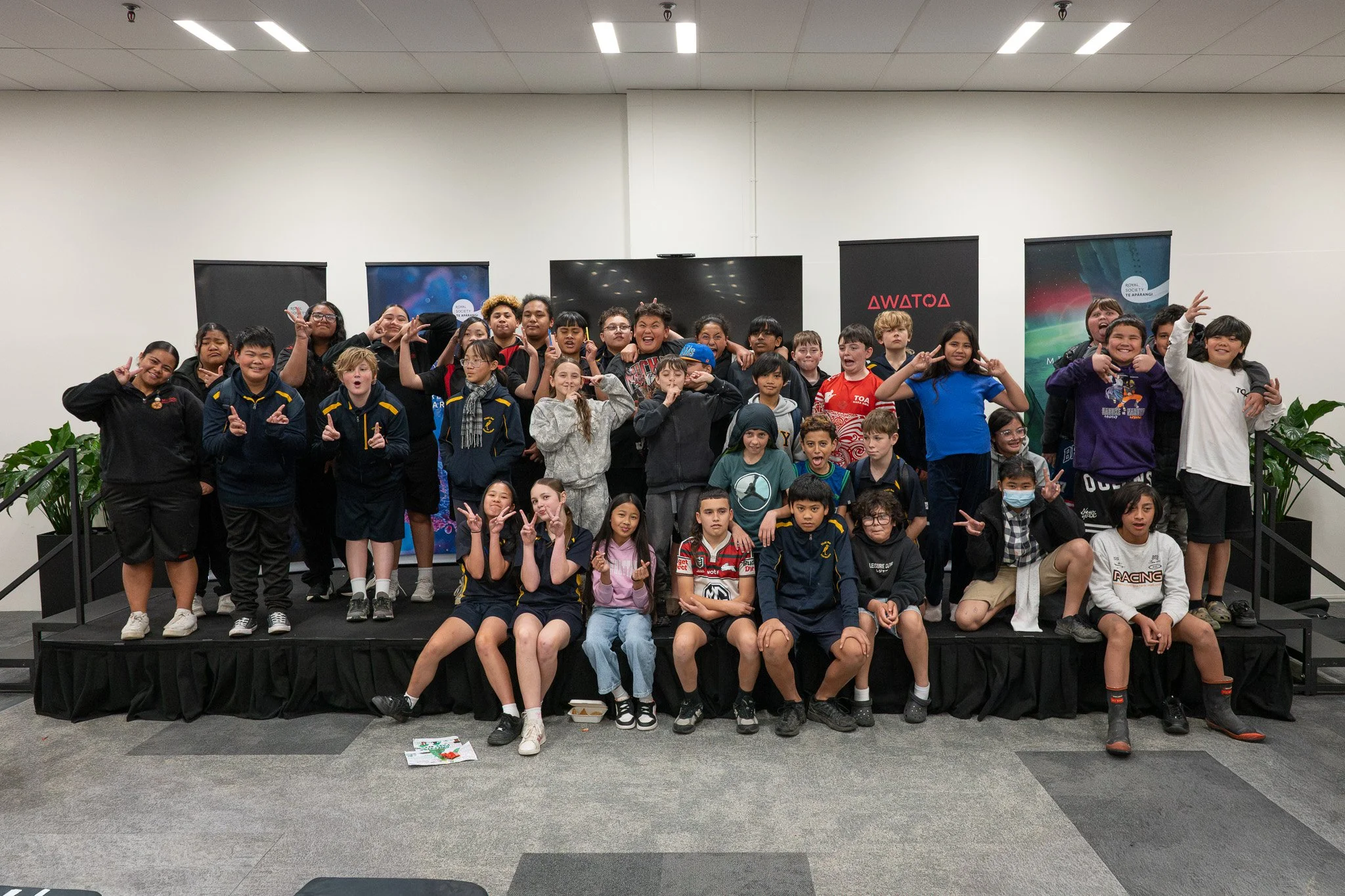
The three-day initiative brought together rangatahi from Brandon Intermediate, Tītahi Bay Intermediate, Tītahi Bay North School, and Kura o Ngāti Toa, connecting them directly with working scientists and researchers. Through field work – exploring marine biodiversity in rockpools, assessing natural hazards, visiting scientific collections, and monitoring local waterways – students saw science in action.
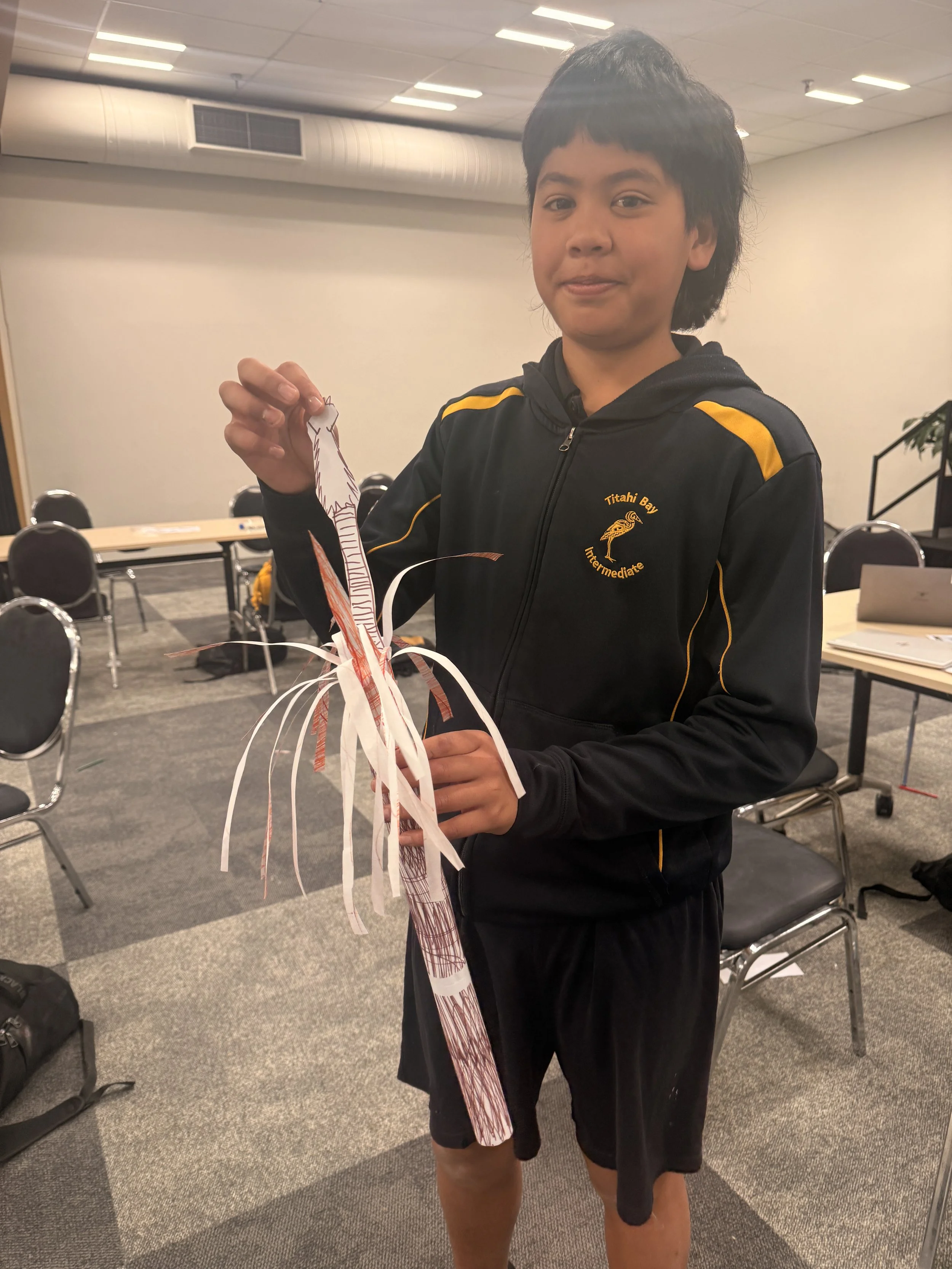
For 12-year-old Kaito Tito from Tītahi Bay Intermediate, the experience completely shifted his perspective of what a scientist may look like.
"Before today, the first image of a scientist I would think of would be like people who learned about explosives and blew stuff up," Kaito shared. "But now I know there are scientists who study a whole lot of different things like the sea and the pests. If I were to rank how important a scientist's job was, I'd rank it 10 out of 10... yeah, I might study science later."
Twelve-year-old Lorelei Tavita from Brandon Intermediate found herself drawn to the complex problem-solving aspect of the mahi.
"I really liked the scenarios at the Porirua Emergency Centre and complex problems they have to solve," Lorelei reflected. "I like to be challenged and work out a solution – it helps my brain when I learn new things. I think I'd like studying science at high school... I want to fix climate change because it's really bad right now and if it gets worse, we won't be able to live on earth."
For participant Jesse-George Teissonnieres-Smeaton, the hands-on stream monitoring on Day 2 brought science into immediate local context.
"Day 2 was the best part of the programme when we went around and did stuff," Jesse-George said. "We went to four streams and had to write down what we observed in the sky, on the ground, and in the water ... What I learned on this programme relates to me because I do waka ama and it will make me think about all the animals and their habitat next time I'm paddling on the water."
This shift in perception highlights the fundamental strength of genuine partnerships. By uniting the Awatoa vision that is rooted in community, with the extensive network of the Society to organisations like BLAKE, Earth Sciences New Zealand, Porirua Emergency Centre, and the Department of Conservation, the programme provided authentic mentorship that grounded complex scientific challenges in real-world relevance.
As the three days drew to a close, Maria reflected on the power of shared aspiration and the transformative journey the students had taken.
"It’s so important having relationships with organisations like the Society who share the same vision and goals as we do – especially around seeing more Māori and Pacific students thriving in the sciences."
Closing the session, Maria reminded rangatahi that with knowledge comes wisdom.
"Curiosity starts with asking why and then comes the wonder. Remember what you've learned over these days as you move forward and feel empowered to make a real difference in your community."
Nurturing curiosity at this critical age does more than pathway students into STEMM careers. It equips future generations with the critical thinking, empathy, and problem-solving skills needed to navigate complex challenges ahead. When we invest early in the wonder and inquiry of our young people, we empower them to return to their communities not only with knowledge, but with the wisdom to make a lasting difference.