
A Rediscovered Promise – The Resolution and Adventure Medal as Taonga
Discovered in September 2025 on the sandy shores of Porirua, a small, weathered medal has opened a much larger conversation about history, responsibility and partnership with iwi.
The object has been identified as a rare Resolution and Adventure medal, produced during Captain James Cook’s second Pacific voyage in the 1770s. While historical records suggest around 2,000 of these medals were made, only a small number have been documented internationally, making each discovery significant.
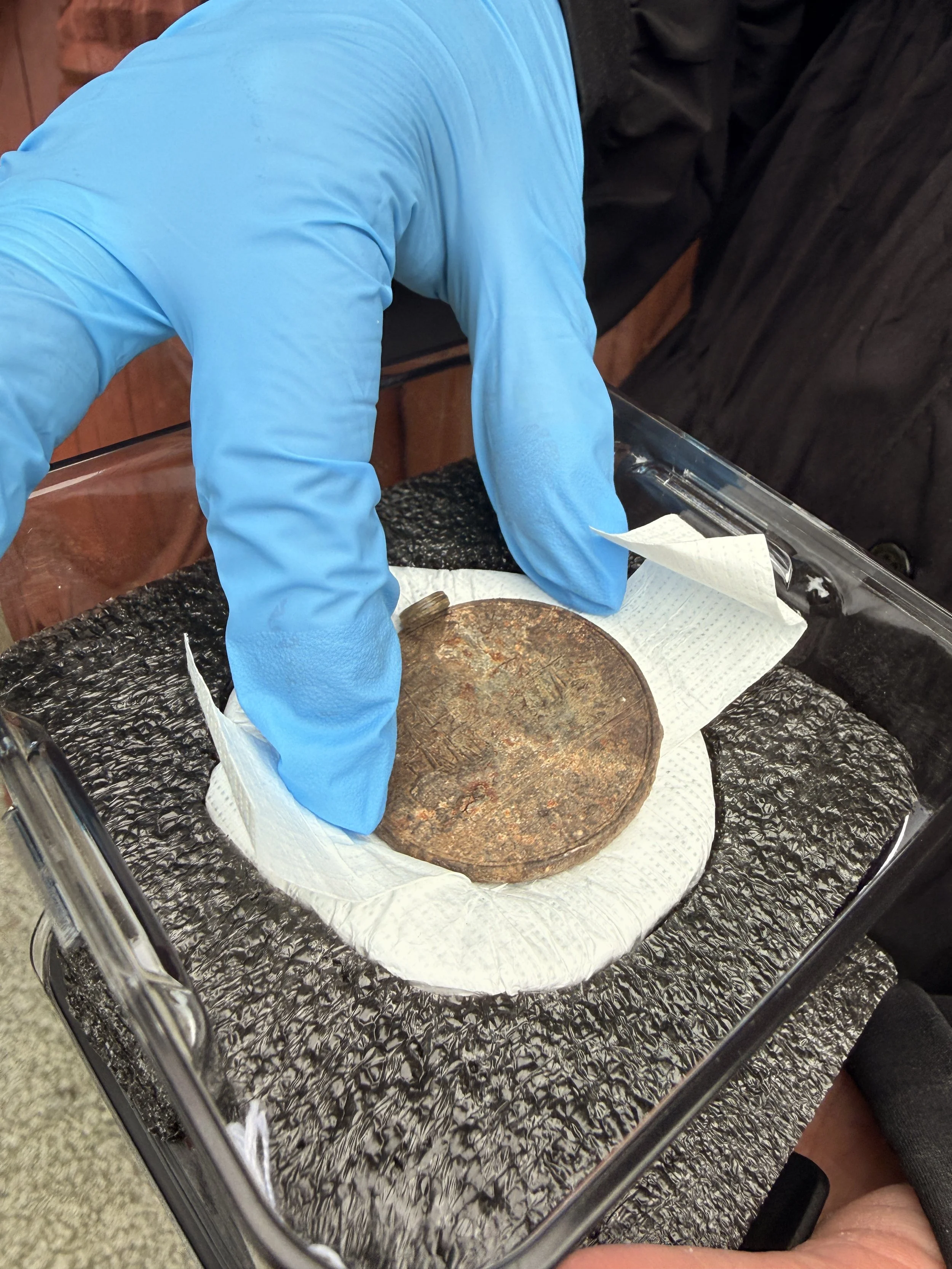
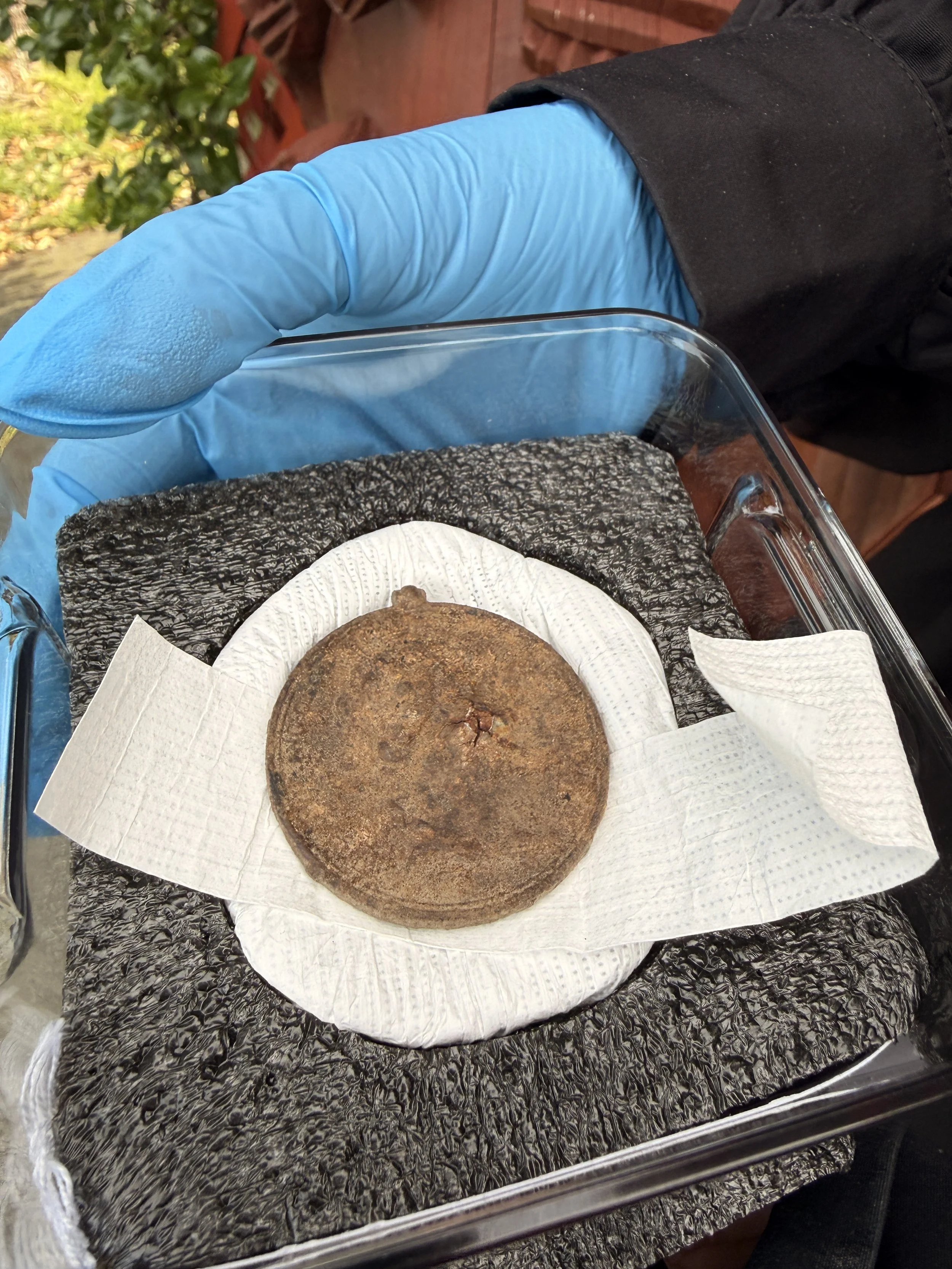
Following its discovery, the medal was taken to Aventine Coins & Bullion, a specialist numismatic firm, where it was identified as an authentic Resolution and Adventure medal. This assessment was supported by Ian Wards, Experience Wellington Wheako Pōneke Senior Curator Kaipupuri Matua Taonga, whose expertise in numismatics corroborated the identification.
While these medals are often associated with Cook’s encounters in the Pacific, there is no clear evidence they were gifted exclusively to Māori Chiefs. Instead, research suggests they were presented to Māori and other Indigenous peoples encountered during the second voyage, often as gestures of diplomacy or trade exchange.
For the museum sector and iwi, the medal’s discovery raised questions of care, context and partnership. As Kaihautū Director of Māori Strategy & Engagement Tanemahuta Gray points out, its discovery holds layers of meaning.
"The discovery of the Resolution and Adventure medal on Ngāti Toa Rangatira whenua allows us an opportunity to forge stronger connections and build partnership with Ngāti Toa on the care and future journey for this taonga," says Tanemahuta.
The museum has since engaged conservator Susanne Rawson of Heritage Preservation and Field Support Solutions (New Plymouth) to undertake conservation work. The focus of this treatment is stabilisation to reduce active corrosion, thereby preserving the medal’s integrity. A protective housing will also be created to provide a stable environment long-term.
Equally important is how the taonga will be cared for beyond its physical preservation. Experience Wellington has signalled its intention to enter into an authentic partnership with Ngāti Toa Rangatira, working collaboratively toward a kaitiaki agreement that will guide the care, management and display of the taonga.
This would be the museum’s first formal kaitiaki agreement with iwi, a milestone acknowledged by all involved as a critical step forward in museum practice.
“The medal is more than an artefact,” Tanemahuta reflects. “It’s a 250-year-old promise that lay in the whenua. Its awakening provides a catalyst for stronger relationships to form.”
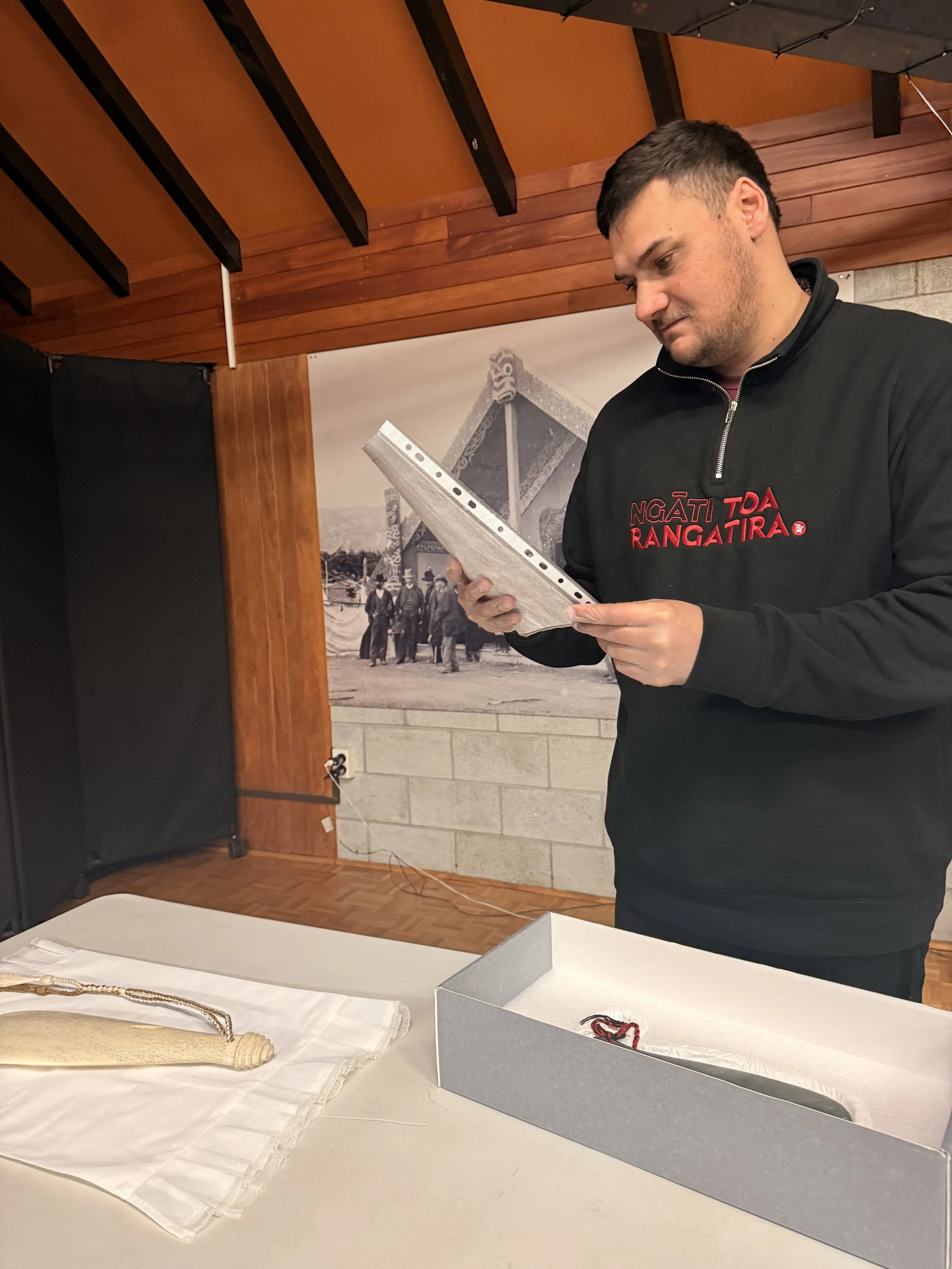
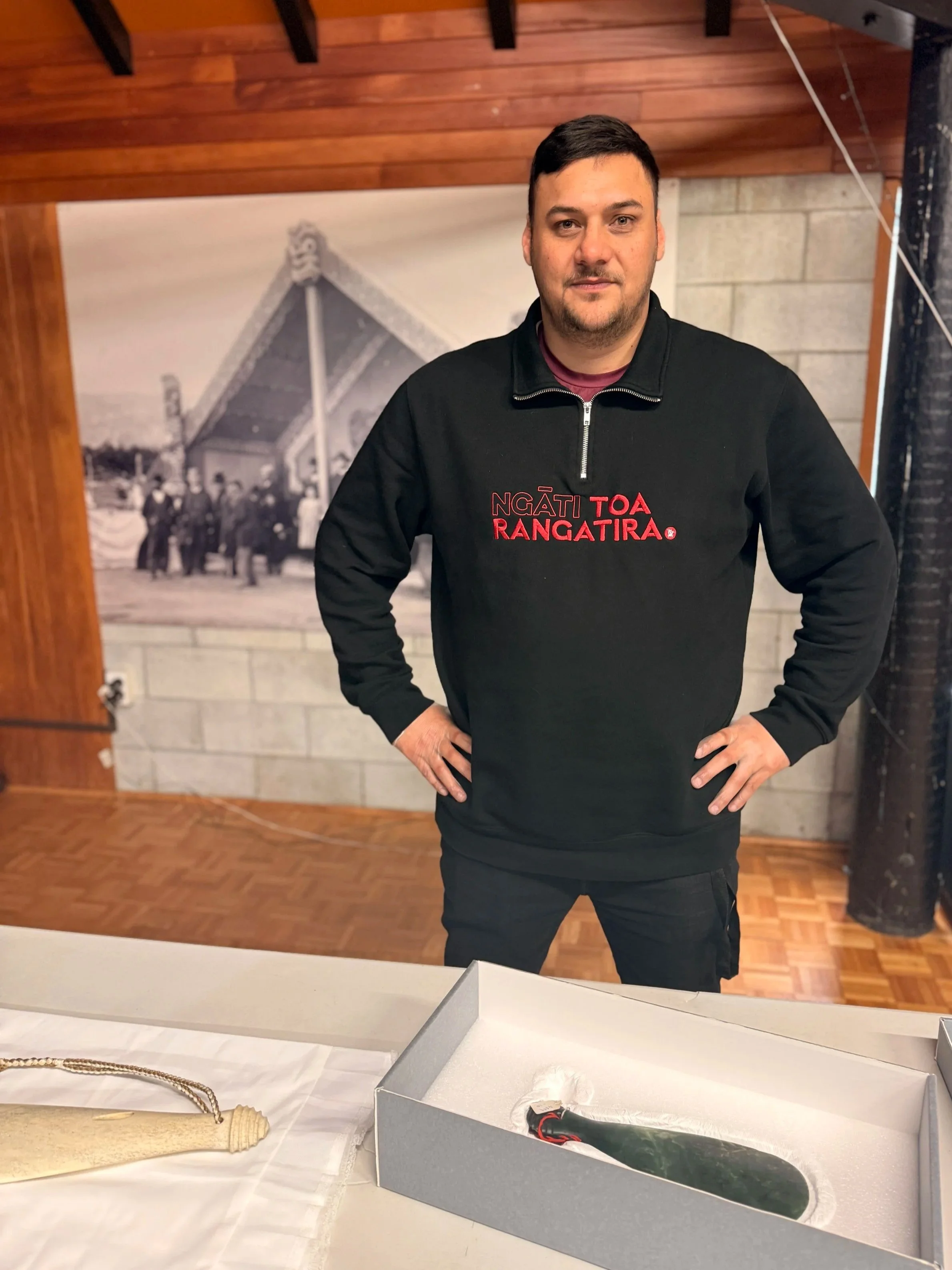
The significance of that partnership was made visible when the medal was welcomed onto Hongoeka Marae during the 2026 Wānanga Taonga. Carried across the marae ātea under tikanga, the object transitioned from archaeological find to relational taonga, held within Māori space and values.
For Te Rūnanga o Toa Rangatira Whakapapa Kaiarahi Cultural Services Te Rauparaha Horomona, the medal’s discovery is a reminder for residents that you can’t predict what might “wash up on the beach” and to contact mana whenua if something does.
“It’s the start of a conversation that needs to take place. Although the medal may not be as significant to our iwi as taonga tuku iho, it’s still a remnant of the past that we are continually making sense of and trying to understand. We can’t be sure of how this coin came on to our beach, whether it was held by Ngāti Toa or some manuhiri who were visiting. But a good learning is that people should get in touch with us if they find something interesting. We want to be involved - our whenua can bring up surprises, so get in touch with the right people to give advice. By way of this taonga, it’s great we are looking at a kaitiaki agreement, because we should be working together,” says Te Rauparaha.
As discussions continue around its future, the medal stands as a reminder that taonga are not defined solely by age or rarity, but by the relationships they carry and the responsibilities they create. Its journey has only just begun – guided by conservation expertise, tikanga Māori, and a shared commitment to care grounded in partnership.